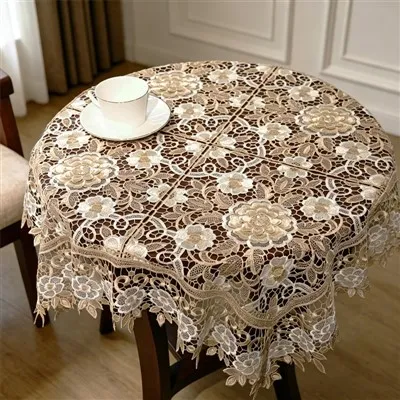
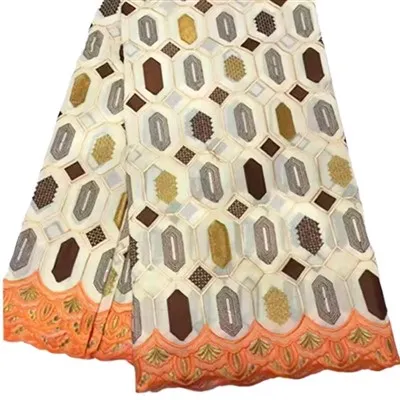
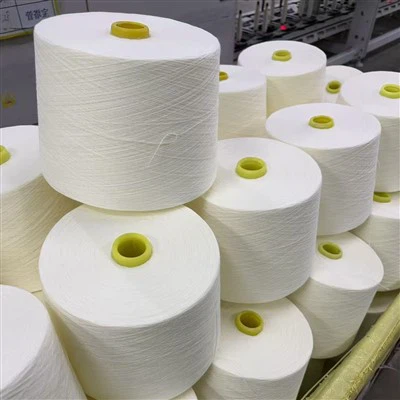
Embroidery tablecloth come in a wide variety of colors, designs, styles, sizes, and fabric materials and they can also be paired with other linen products to elevate the decor to the next level. However, people often take them for granted and opt to keep their tables bare to avoid additional expenses. But tablecloths are an accessory that can actually turn the tables for you! A tablecloth is one of the most versatile decor elements that can be used for many different purposes. From protecting tables and covering up the imperfections to adding a pop of color and style to the decor, table linens are the go-to decorations when it comes to dressing up tables for both formal and casual events.

Why Choose Us
01
Factory Strength
Shandong Shengrun Textile Co.,LTD.was established in June 2000, with registered capital RMB 43 Million and 30 thousand and total assets RMB 190 million. Shandong Shengrun Textile Co.,LTD. possesses 400 domestic advanced looms, 18 Japanese WEMS computer shuttle flying embroidery machines, 40,000 spindles for spinning cotton yarn, and several advanced quilting and seaming lines. The annual capacity is 12,000 tons of different kind of yarn, 15 million meters of grey fabrics, 1.5 million meters of embroidery , over 2000 tons of all kinds of towel blankets and 500,000 sets of home textiles.
02
Our certifications
Shandong Shengrun Textile Co.,LTD. took the lead in passing ISO9001:2008 International Quality Management Systerm, ISO14001:2004 Environment Management Systerm ,OHSAS18001:2007 Occupation Health Satety Management Systerm treble identification.At the same time, Shengrun brand was affirmed as Shandong Famous Brand, CCTV Ranklist Brand, Shandong Famous Trademark,China Well-known Trademark.
03
Foreign trade market
The regional market for our product sales and the achievement results are described below.Our tablecloths are mainly sold to the United States, the Middle East, Europe, and South America, where the volume of transactions with the United States is more than 1.5 million US dollars.Our grey fabrics are mainly sold to Japan, South Korea, Thailand, Indonesia and Germany. The transaction volume with Thailand is more than 2 million US dollars.Our finished fabrics are mainly sold to Brazil, Bangladesh and the United States.
04
One-stop solution
We enthusiastically introduce and display products for our customers, explain in detail how to use products, patiently help customers select products, provide users with product technical advice, confirm user needs, provide users with complete solutions, etc.
-
![Floral Embroidered Lace Tablecloth Elegant Decorative Table Cover]() Floral Embroidered Lace Tablecloth Elegant Decorative Tab...Customization options:- Customized logo- Customized packaging- Graphic customization- Comprehensive customizationread more
Floral Embroidered Lace Tablecloth Elegant Decorative Tab...Customization options:- Customized logo- Customized packaging- Graphic customization- Comprehensive customizationread more -
![Flower Design Embroidery Lace Tablecloth]() Flower Design Embroidery Lace TableclothCustomization options:- Customized logo- Customized packaging- Graphic customization- Comprehensive customizationread more
Flower Design Embroidery Lace TableclothCustomization options:- Customized logo- Customized packaging- Graphic customization- Comprehensive customizationread more -
![Table Lace Cloth Modern Floral Embroidered Fabric]() Table Lace Cloth Modern Floral Embroidered FabricModern floral table lace woven from premium polyester with delicate embroidery and cut-out details—elegant, airy, and fully customizable.read more
Table Lace Cloth Modern Floral Embroidered FabricModern floral table lace woven from premium polyester with delicate embroidery and cut-out details—elegant, airy, and fully customizable.read more -
![Soft Plain Lace Party Wedding Table Cloth]() Soft Plain Lace Party Wedding Table ClothCustomization options:- Customized logo- Customized packaging- Graphic customization- Comprehensive customizationread more
Soft Plain Lace Party Wedding Table ClothCustomization options:- Customized logo- Customized packaging- Graphic customization- Comprehensive customizationread more -
![Gold Embroidery Lace Tablecloth]() Gold Embroidery Lace TableclothGold Embroidery Lace Tablecloth,Modern floral table lace woven from premium polyester with delicate embroidery and cut-out details—elegant, airy, and fully customizable.read more
Gold Embroidery Lace TableclothGold Embroidery Lace Tablecloth,Modern floral table lace woven from premium polyester with delicate embroidery and cut-out details—elegant, airy, and fully customizable.read more -
![White Embroidered Lace Tablecloth]() White Embroidered Lace TableclothWhite embroidered lace tablecloth,Modern floral table lace woven from premium polyester with delicate embroidery and cut-out details—elegant, airy, and fully customizable.read more
White Embroidered Lace TableclothWhite embroidered lace tablecloth,Modern floral table lace woven from premium polyester with delicate embroidery and cut-out details—elegant, airy, and fully customizable.read more -
![European Fabric Lace Table Cloth]()
-
![Custom Linen Embroidered Napkins]() Custom Linen Embroidered NapkinsDiscover our exquisite collection of linen embroidered napkins, designed to add a touch of elegance and sophistication to any setting. Whether you're planning a wedding, hosting a dinner party, or simply enhancing your dining experience,read more
Custom Linen Embroidered NapkinsDiscover our exquisite collection of linen embroidered napkins, designed to add a touch of elegance and sophistication to any setting. Whether you're planning a wedding, hosting a dinner party, or simply enhancing your dining experience,read more -
![Custom Embroidered 3D Lace Tablecloth - Silver Floral]() Custom Embroidered 3D Lace Tablecloth - Silver FloralCustom Polyester Tablecloths - Tailored Elegance✅ Polyester Base | Eco-Friendly & Wrinkle-Resistant✅ Full Customization: Material/Color/Size/OEM/ODM✅ 3D Embroidery & Patterns OptionalIdeal for hotels/events. Contact us for bespokeread more
Custom Embroidered 3D Lace Tablecloth - Silver FloralCustom Polyester Tablecloths - Tailored Elegance✅ Polyester Base | Eco-Friendly & Wrinkle-Resistant✅ Full Customization: Material/Color/Size/OEM/ODM✅ 3D Embroidery & Patterns OptionalIdeal for hotels/events. Contact us for bespokeread more -
![Elegant Custom Linen Embroidered Napkins for Weddings and Fine Dining]() Elegant Custom Linen Embroidered Napkins for Weddings and...Discover our exquisite collection of linen embroidered napkins, designed to add a touch of elegance and sophistication to any setting. Whether you're planning a wedding, hosting a dinner party, or simply enhancing your dining experience,read more
Elegant Custom Linen Embroidered Napkins for Weddings and...Discover our exquisite collection of linen embroidered napkins, designed to add a touch of elegance and sophistication to any setting. Whether you're planning a wedding, hosting a dinner party, or simply enhancing your dining experience,read more -
![Custom Linen Embroidered Napkins for Elegant Dining]() Custom Linen Embroidered Napkins for Elegant DiningExquisite linen embroidered napkins with elegant design and excellent texture. Suitable for home, wedding, high-end restaurants, business events and other scenarios, it can create a warm and elegant dining atmosphere, showcaseread more
Custom Linen Embroidered Napkins for Elegant DiningExquisite linen embroidered napkins with elegant design and excellent texture. Suitable for home, wedding, high-end restaurants, business events and other scenarios, it can create a warm and elegant dining atmosphere, showcaseread more -
![Chinese Linen Embroidered Napkins With Panda Pattern]() Chinese Linen Embroidered Napkins With Panda PatternSupport customized services, any pattern you like! We offer customized services to meet your individual needs. You can determine the logo position for exquisite embroidery and match the linen fabric color based on your provided color card.read more
Chinese Linen Embroidered Napkins With Panda PatternSupport customized services, any pattern you like! We offer customized services to meet your individual needs. You can determine the logo position for exquisite embroidery and match the linen fabric color based on your provided color card.read more


Benefits of Embroidery Tablecloth
Enhances Aesthetic Appeal
High-quality tablecloths come in various designs, colors, and patterns that can elevate the look of your dining area. Whether you prefer a classic, modern, or rustic style, there is a tablecloth to match your décor. The right tablecloth can transform an ordinary table into a stunning centerpiece.
Protects Your Table
Spills, scratches, and stains are inevitable, especially during meals. A high-quality tablecloth acts as a protective barrier, safeguarding your table from damage. This is particularly important for wooden tables that can be easily scratched or stained.
Easy Maintenance
Most high-quality tablecloths are made from materials that are easy to clean and maintain. Many are machine washable and resistant to stains, making them a practical choice for everyday use. This convenience ensures that your tablecloth remains looking new for a long time.
Versatility
Whether you are hosting a formal dinner, a casual lunch, or a festive party, high-quality tablecloths are versatile enough to suit any occasion. They can be easily dressed up with elegant table settings or kept simple for a relaxed meal.
Enhances Dining Experience
A well-dressed table with a high-quality tablecloth can enhance the dining experience for your guests. It creates a welcoming and pleasant atmosphere, making meals more enjoyable. The tactile feel of a quality fabric can also add to the overall sensory experience.
Cost-Effective
Investing in a high-quality tablecloth can be more cost-effective in the long run. Cheaper tablecloths may wear out quickly and need to be replaced more often. High-quality tablecloths, on the other hand, are durable and can last for years with proper care.
Types of Embroidery Tablecloth

Fitted Tablecloths
Fitted tablecloths are a particularly-popular type of tablecloth. They are designed to fit snugly around tables in a manner where that suggests, ‘Someone hasn't just thrown a cloth over that.' The can hug the legs or have pleats to avoid baggy corners. Of particular note are special serving tablecloths for events which, on one side, have a decorative side that masks unpleasant messes from guests but, on the other, allows easy access to a sub-table storage area.

Rectangle Tablecloths
The classic optimised form factor for fitting as many people along a table as possible. This type of tablecloth is notable for its shape which consists of two, matching equidistant lengths opposite to one another. It can be fitted or otherwise. Perfect for those with rectangular tables.

Round tablecloths
The great rival of the rectangular tablecloth. The round table inspires visions of Arthurian legend, gallant Knights, chivalry and, of course, equality. In modern times this type of tablecloth is considered particularly appropriate when the requirement is for a group of guests or delegates to be in a position where everybody can talk to everybody else. Just note, you need extra space to fill a room with round tables as they do not lend themselves adjacent alignment.
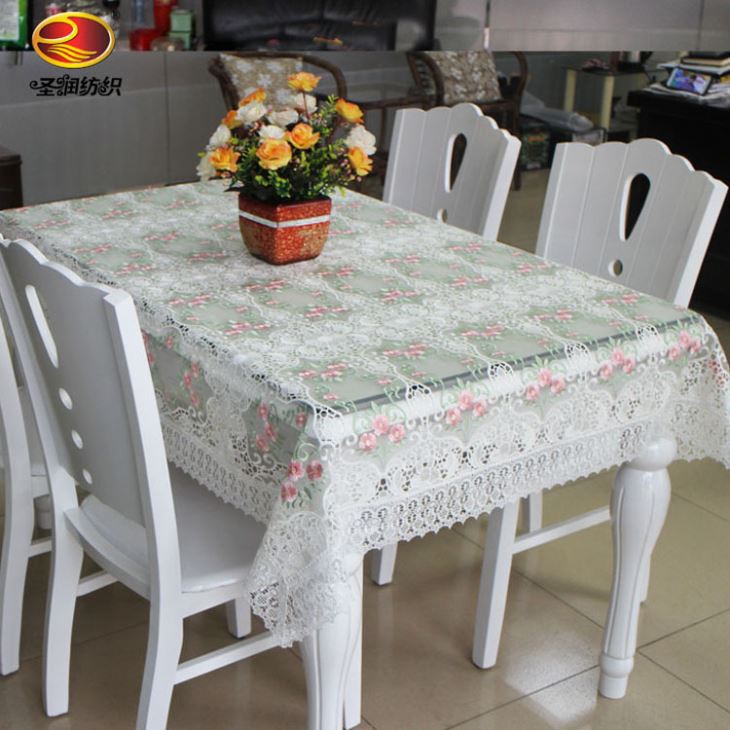
Square tablecloths
It could be easy to dismiss the humble square tablecloth as not being as useful as its round and rectangular brethren… but we beg to differ. Picture yourself on a romantic date with your significant other (or other) at a wonderful restaurant. Imagine the music, the aromas, the ambiance. Now look down. That's a square tablecloth, isn't it? The type of tablecloth that provides a platform for romance.
Application of Embroidery Tablecloth
Protects the table
Draping your decorative table with a cover helps protect the surface from scratches, stains, spillage and scuffs. A good, high-quality table cover acts as a protective barrier and absorbs any liquid in case of accidental spills and food drops. Moreover, if you're setting up tables for an outdoor event, using a table cover will also help prevent weather damage. Opt for disposable waterproof tablecloths to protect the tables from rain, moisture, and sunlight.
01
Elevates the decor
Embroidery tablecloth make it very easy to impart a cohesive, harmonized appeal to the decor. If your venue offers a variety of mismatched furniture, just dress up the tables with matching tablecloths to give a uniform look to your event decor. Moreover, using fancy tablecloths accentuate the table aesthetics adding style and elegance to your overall event design. Opt for decorative linens such as sequin, taffeta, rosette or velvet tablecloths to effortlessly bring a posh allure to your decor.
02
Adds a pop of color
Tablecloths can help bring your special themes and color schemes to life. They come in a plethora of hues and designs which adds a pop of color and texture to the design. While neutral-colored embroidery tablecloth impart a graceful appeal, bright and rich colors exude surreal flamboyance. Whereas, using embroidery tablecloth in contrasting shades creates a riveting focal point adding a fascinating, striking flair to the decor.
03
Hides imperfections
One of the main purposes of embroidery tablecloth is to spruce up those old, drab tables and conceal those unsightly stick legs. It gives a fresh new look to the tabletops hiding any scratches, stains, and scuffs. Opt for polyester or satin tablecloths to completely cover any imperfection giving a flawless appeal to your tables.
04
What are the Best Fabric for Embroidery Tablecloth
Cotton fabrics are perhaps the most popular fabric for tablecloths. They come in many styles, from casual prints to plain designs that are known as the best-textured tablecloth. But the quality of the cotton fabric can vary greatly. The tight weave of the cotton table runners creates embroidery designs, whereas; the material can also be dyed into various colors without compromising your choice. Another great benefit of cotton table runners is that they are highly absorbent. This way, you can prevent spillage from damaging the table surface. You can wash them in the machine with bleach or stain treaters that will help you to clean the table runners perfectly.
Linen is a beautiful fabric table cover option for your tablecloth. This fabric has a beautiful drape that makes the table more exquisite. It also has greater durability and is a popular fabric for making tablecloths. It is evident that linen is a rich, beautiful fabric. However, it required some attention to maintain its beauty. First, it will be necessary to wash the tablecloth in cold water on a gentle cycle. Then iron it on high heat while it is still damp.
Wondering about polyester tablecloths are good? The answer is yes. A large number of tables are covered by polyester fabric tablecloths. The polyester tablecloth is durable and resistant to stains, wrinkles, and other damage. This fabric is very popular for high-volume events such as weddings and corporate events. For outdoor seating arrangements where spillage and accidents are likely, polyester tablecloths are your best choice. Polyester fabric can be used to make polyester table cloths in a variety of sizes, including standard and stretch versions. The fabric can also be used to make table linens that fit the shape of the table.
Satin tablecloths are elegant and classy for any occasion, no matter if it's a wedding reception or high school prom. Satin can be made from synthetic polyester, but it can also be woven out of silk. Satin Fabric has a unique sheen that gives it a unique look. It also is the best material for outdoor tablecloths. Satin tablecloths can be washed on a delicate cycle or by hand. Then air-dry. Satin or polyester tablecloths are durable and can last long if properly cared for.
How to Choose a Embroidery Tablecloth Size
Determine Tablecloth Drop
When choosing a tablecloth size, be sure to consider your dining style and the occasions for which you'll be using the linens. For casual events, tablecloths should have a 6- to 8-inch drop from the edge of the table to the bottom of the tablecloth. For more formal events, the best choice is a tablecloth that has a 15-inch drop from the edge of the table to the bottom of the tablecloth. The length of the cloth helps dress the table and set the tone for the meal—think of this as the difference between the attire for a casual brunch and a formal dinner.
Measure Your Table
After you've decided on the tone of your occasion, apply this simple equation to determine the correct length for your table cloth. First measure the length and width of your table. Next add twice the desired drop to each side's dimension. For example, if your table measures 42 inches wide and 72 inches long and you want a drop of 9 inches, add 18 inches to each side. The resulting dimensions — 60 x 90 inches — is the tablecloth size you should purchase.
Consider Additional Table Linens
Because dining table sizes are not standardized across the furniture industry, tablecloth dimensions usually fall within a range that can work on many tables. The standard tablecloth sizes we carry, for example, are 60 x 90 inches and 60 x 120 inches. A cloth with a drop of 8-to 9-inches from the side of your table is considered a comfortable drop for casual, easy dining. Plus, it won't restrict your diners legs or block access to the chairs.
Process of Embroidery Tablecloth
Prepare the Materials
Making a tablecloth is on the beginner spectrum of sewing projects. Here are the materials and supplies you will need:Sewing machine.
Choose Your Fabric
You can choose any fabric for your tablecloth, but a machine-washable material is practical. Tablecloths have a high chance of encountering food and drink spillages, especially if you have kids around.Cotton is machine-washable and appropriate for beginners. However, they tend to wrinkle and bleed in the water. Linen and lace are other absorbent options that can resist stains.Consider the fabric width too. Most fabrics come in different sizes, so choose one wide enough for a tablecloth.
Measure the Table
Get your measuring tape and start taking measurements of your table. The table's dimensions will determine how much fabric yardage you will need. If your furniture is too big, you'll need to combine two or more panels for an adequate overhang.For square and rectangular tables, measure the length and width. If you have an oval table, measure from the longest to the other longest side of your table.If it's round, measure the diameter or the distance from edge to edge. Ensure that your tape measure passes through the circle's radius or center.
Choose the Drop Length
A good tablecloth is one where the measurement of the overhang is equal on all edges of the table. It should be just long enough to hang below the seats. This overhang measurement is known as the drop length.
Decide on the Hem
Once you know the drop length of your tablecloth, decide how much fabric you need for the hem. The measurement depends on the size and shape of your table. But the safest choice is to add 1 inch of fabric on all sides.Hemming your tablecloth adds a more attractive finish to the fabric. It also prevents the material from getting loose threads and drooping on the floor.
Calculate the Fabric Yardage
For some, calculating the fabric yardage is the trickiest part of learning how to make a tablecloth. Add the drop and hem's lengths on both sides of your table. Since fabric industries measure textiles in yards, convert your measurements by dividing the numbers by 36 inches. There's no need to add more fabric yardage for the table's width if it's no bigger than 44 inches. However, you need to double the yardage if it's bigger than 44 inches.An optional tip is to get a wide quilt backing fabric with the same yardage amount as the final length. These fabrics usually measure 108 inches wide.
How to Maintain Embroidery Tablecloth
Don't Let Stains Sit Too Long
For stubborn stains on your tablecloth, pre-treat the area with a mixture of mild detergent and water. Allow it to sit for a few minutes, then gently scrub with a soft brush or sponge. Rinse thoroughly before washing. If this doesn't work, bring your tablecloth to Dependable Cleaners as soon as possible and inform the cleaning expert as to how you pre-treated the stain.
Wash Your Tablecloth With Warm Water
If your tablecloth is stain-free and only needs to be washed, follow the care instructions and use your washing machine for regular maintenance cleaning. Wash like-colored linens together to prevent color bleeding, set the machine to warm, and place the tablecloth in when the tank is halfway full. Delicate fabrics may require handwashing.
Don't Use Your Dryer
After the tablecloth is washed, refrain from using a machine for drying. You should always air-dry your tablecloth whenever possible to maintain its shape and color. Place the fabric on a flat surface or hang it outside to air dry.
Starch & Press Your Tablecloth
Once you have cleaned and dried your tablecloth and it's done for the season, we recommend starching and pressing it before storing. You can do this process at home by adding starch to the machine during the rinse cycle and using an old-fashioned iron. When ironing your tablecloth, exercise caution. Use a low to medium heat setting and iron on the reverse side to avoid direct contact with the fabric. Always test a small, inconspicuous area first to avoid damage.
Our Factory
Shandong Shengrun Textile Co.,LTD.was established in June 2000, with registered capital RMB 43 Million and 30 thousand and total assets RMB 190 million. Shandong Shengrun Textile Co.,LTD. possesses 400 domestic advanced looms, 18 Japanese WEMS computer shuttle flying embroidery machines, 40,000 spindles for spinning cotton yarn, and several advanced quilting and seaming lines. The annual capacity is 12,000 tons of different kind of yarn, 15 million meters of grey fabrics, 1.5 million meters of embroidery , over 2000 tons of all kinds of towel blankets and 500,000 sets of home textiles. Our customers are from Europe,North America, Africa, Asean coutries , the Middle east and dozens of other countries. After continuous expansion and extension, we formed a complete industry chain including cotton spinning and processing , ho usehold textiles manufacture and domestic and overseas sales. In the year of 2013, the 600 million sales revenue came true.


Our Certificates


FAQ
with over 15 years of experience, we are professional embroidery tablecloth suppliers in China. Please rest assured to buy or wholesale durable embroidery tablecloth in stock here from our factory.
yarn in various thicknesses, yarn for textile industry, yarn for children s clothes-
![Floral Embroidered Lace Tablecloth Elegant Decorative Table Cover]() Floral Embroidered Lace Tablecloth Elegant Decorative Table CoverCustomization options:read more
Floral Embroidered Lace Tablecloth Elegant Decorative Table CoverCustomization options:read more
- Customized logo
- Customized packaging
- Graphic customization
-... -
![Shine Sequins Mesh Embroidery African Lace Fabric]() Shine Sequins Mesh Embroidery African Lace FabricSupport customized servicesread more
Shine Sequins Mesh Embroidery African Lace FabricSupport customized servicesread more
Support color/design/packaging customization
Factory Direct
Contact Us! -
![Recycled Cotton Polyester Blend Yarn]() Recycled Cotton Polyester Blend YarnFactory Directread more
Recycled Cotton Polyester Blend YarnFactory Directread more
Support factory inspection
Support OEM/ODM
Support sample service -
![Flower Design Embroidery Lace Tablecloth]() Flower Design Embroidery Lace TableclothCustomization options:read more
Flower Design Embroidery Lace TableclothCustomization options:read more
- Customized logo
- Customized packaging
- Graphic customization
-... -
![African Printed Wax Elegant Embroidered Lace Cotton Luxury Fabrics]() African Printed Wax Elegant Embroidered Lace Cotton Luxury FabricsSupport customized servicesread more
African Printed Wax Elegant Embroidered Lace Cotton Luxury FabricsSupport customized servicesread more
Support color/design/packaging customization
Factory Direct
Contact Us! -
![Lace Fabric Cotton Eco-friendly Woven Embroidery Beaded]() Lace Fabric Cotton Eco-friendly Woven Embroidery Beaded100% Cotton: Eco-friendly material ensures durability and breathability.read more
Lace Fabric Cotton Eco-friendly Woven Embroidery Beaded100% Cotton: Eco-friendly material ensures durability and breathability.read more
Lace Trim: Adds elegant details to...