As a trusted acrylic yarn supplier, I often receive inquiries from customers about the proper ironing temperature for acrylic yarn. Ironing acrylic yarn can be a bit tricky, as it requires careful attention to avoid damaging the fibers. In this blog post, I'll share some insights on the ideal ironing temperature for acrylic yarn, along with some tips to ensure a successful ironing process.

Understanding Acrylic Yarn
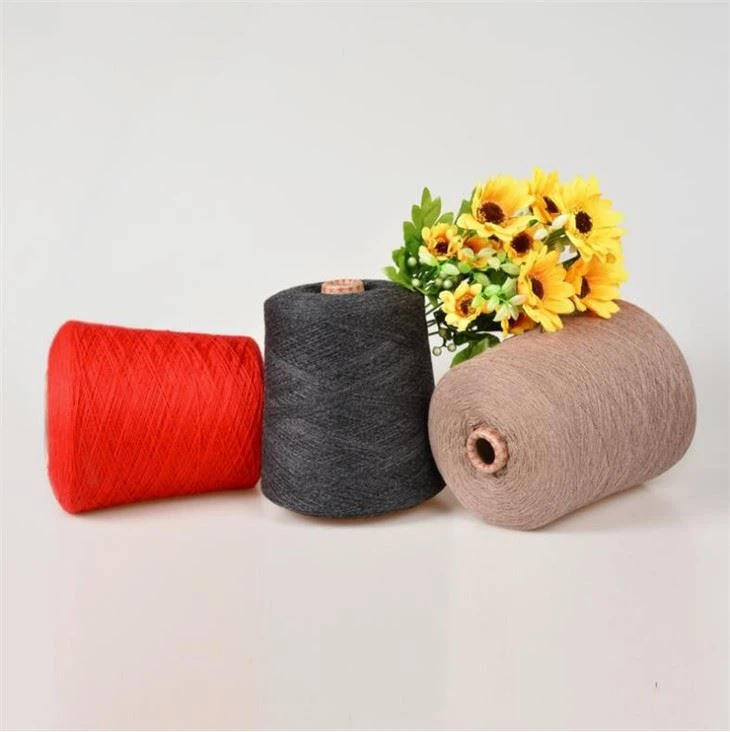
Before we dive into the ironing temperature, let's first understand what acrylic yarn is. Acrylic yarn is a synthetic fiber made from polymers of acrylonitrile. It is a popular choice for knitting and crocheting due to its affordability, durability, and wide range of colors. Acrylic yarn is also resistant to moths, mildew, and sunlight, making it a great option for outdoor projects.
However, acrylic yarn has a lower melting point compared to natural fibers like wool or cotton. This means that it can easily melt or distort if exposed to high temperatures. Therefore, it's crucial to use the right ironing temperature to avoid damaging the yarn.
Recommended Ironing Temperature for Acrylic Yarn
The ideal ironing temperature for acrylic yarn is between 110°C and 130°C (230°F and 266°F). This temperature range is low enough to prevent the yarn from melting or distorting, while still allowing you to smooth out any wrinkles or creases.
It's important to note that different brands and types of acrylic yarn may have slightly different melting points. Therefore, it's always a good idea to check the care label on the yarn for specific ironing instructions. If the care label doesn't provide any information, you can start with the lower end of the recommended temperature range and gradually increase it if necessary.
Tips for Ironing Acrylic Yarn
In addition to using the right ironing temperature, here are some tips to help you iron acrylic yarn safely and effectively:
- Use a pressing cloth: To protect the yarn from direct heat, place a pressing cloth (such as a clean cotton or linen cloth) between the iron and the yarn. This will help distribute the heat evenly and prevent the yarn from melting or sticking to the iron.
- Avoid applying too much pressure: When ironing acrylic yarn, use a light touch and avoid applying too much pressure. Pressing too hard can cause the yarn to flatten or distort, especially if it's a textured or bulky yarn.
- Iron on the wrong side: To prevent any shiny marks or damage to the front of the yarn, iron on the wrong side of the fabric. This will also help hide any minor imperfections or wrinkles.
- Steam carefully: While steam can help relax the fibers and make it easier to iron, it's important to use it sparingly with acrylic yarn. Excessive steam can cause the yarn to become damp and lose its shape. If you need to use steam, make sure to keep the iron moving and avoid holding it in one place for too long.
- Let the yarn cool down: After ironing, let the yarn cool down completely before handling it. This will allow the fibers to set in their new shape and prevent them from stretching or distorting.
Common Mistakes to Avoid
To ensure a successful ironing process, here are some common mistakes to avoid when ironing acrylic yarn:
- Using a high ironing temperature: As mentioned earlier, acrylic yarn has a low melting point, so using a high ironing temperature can cause the yarn to melt or distort. Always use the recommended temperature range and test a small, inconspicuous area of the yarn first to make sure it can withstand the heat.
- Ironing wet yarn: Ironing wet yarn can cause the fibers to shrink or become misshapen. Make sure the yarn is completely dry before ironing.
- Leaving the iron in one place for too long: Keeping the iron in one place for too long can cause the yarn to melt or burn. Always keep the iron moving and avoid pressing down too hard.
- Using a dirty or sticky iron: A dirty or sticky iron can transfer dirt, residue, or melted yarn onto the fabric, making it difficult to clean. Make sure to clean your iron regularly and remove any buildup or debris before ironing acrylic yarn.
Conclusion
Ironing acrylic yarn requires careful attention to temperature and technique to avoid damaging the fibers. By following the recommended ironing temperature of 110°C to 130°C (230°F to 266°F) and using the tips and precautions outlined in this blog post, you can safely and effectively iron acrylic yarn to smooth out wrinkles and creases.
As a [Your Company] acrylic yarn supplier, we offer a wide range of high-quality acrylic yarns suitable for various knitting and crocheting projects. Our Acrylic Yarn For Knitting, Wholesale 100% High Bulk 2/32 Acrylic Yarn, and 28/2 Nm Acrylic Yarn Dyed Colors Solid Yarn Used For Sweater are all carefully selected and tested to ensure the best quality and performance.
If you're interested in purchasing our acrylic yarn or have any questions about ironing or caring for acrylic yarn, please don't hesitate to contact us. We're here to help you with your knitting and crocheting needs and ensure your projects turn out beautifully.
References
- "Care Instructions for Acrylic Yarn," Yarn Manufacturers Association.
- "How to Iron Synthetic Fabrics," Textile Institute Journal.