So, you're probably wondering about what the production capacity limits are of a canvas factory, right? Well, I'm here to share my insights as a supplier of a canvas factory.
Raw Material Availability
One of the key factors that determine the production capacity of our canvas factory is the availability of raw materials. Canvas is typically made from cotton, linen, or a blend of different fibers. The quantity and quality of raw materials we can source directly impact how much canvas we can produce.
For instance, if there's a shortage of high - quality cotton in the market, it'll slow down our production. Sometimes, suppliers face issues like bad crop yields due to poor weather conditions. And if we're waiting for a shipment of raw materials that's delayed at the port, that puts a stop on our production lines. We rely on a consistent supply of raw materials to keep our machines running.
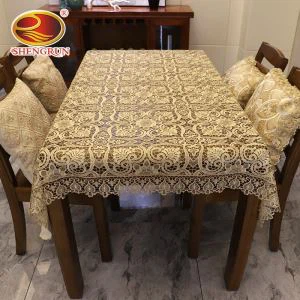
In some cases, we get a special order for a 100% Organic Cotton Canvas Bag For Use. This bag requires 100% organic cotton, which is more difficult to source compared to regular cotton. The limited availability of this organic cotton restricts our ability to produce a large quantity of these bags in a short time. It might take weeks to gather enough raw material to fulfill an order that seems small but is high - end in terms of the quality of the raw material.
Machinery and Equipment
Our factory's machinery plays a huge role in production capacity. The number of looms, dyeing machines, and cutting tools we have determines how much canvas we can make at a given time. Some of our older machines might not be as efficient as the newer ones. They break down more often, and when they do, it causes a halt in production.
We're constantly looking to upgrade our equipment, but that's not always easy. New machinery is expensive, and we have to plan our finances carefully before making such a big investment. Sometimes, we can't afford to replace all the old machines at once, so we end up with a mix of old and new equipment.

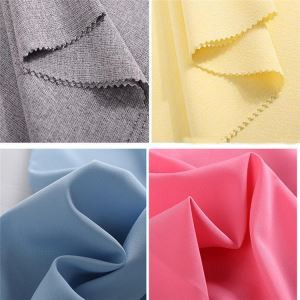
The speed of the machines also matters. A state - of - the - art loom can weave a much larger quantity of canvas in an hour compared to an old one. But even the fastest machine has its limits. It can only work so many hours a day without overheating or wearing out. And during maintenance periods, our production capacity drops significantly. When we're maintaining our TC resistant to chlorine bleaching hospital fabric production line, we can't produce much of the TC resistant to chlorine bleaching hospital fabric. This fabric needs special dyeing and finishing processes on specific machines, and any issue with those machines can hold up the entire production.
Skilled Labor
Let's not forget about the people who operate the machines. Skilled workers are essential for running our factory smoothly. They know how to set up the machines, troubleshoot problems, and ensure the quality of the canvas. But finding skilled labor isn't always a walk in the park.
In our area, there aren't as many young people interested in learning the craft of canvas production. Most of our experienced workers are getting older, and if they retire, we lose their valuable knowledge and expertise. It takes time to train new workers to reach the same level of skill, and during that training period, production might not be as efficient.
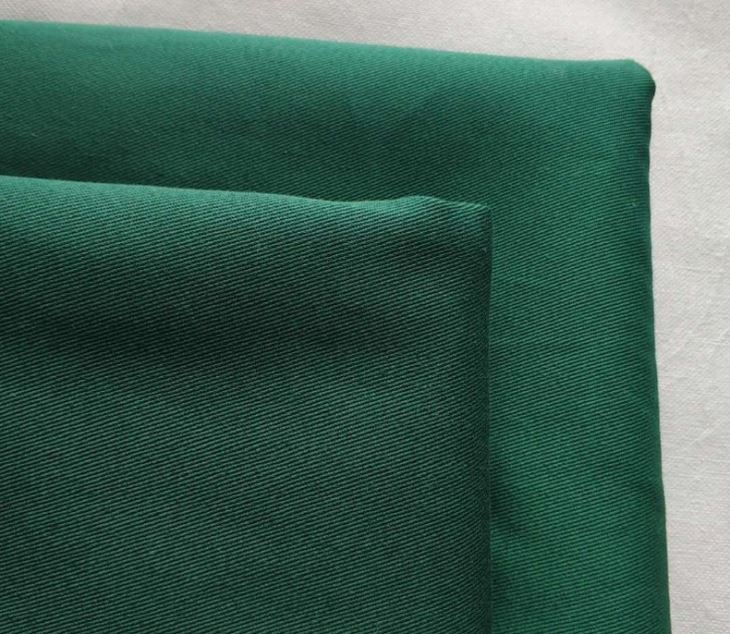
Moreover, the labor laws and regulations also come into play. There are limits on how many hours our workers can work in a week. For example, we can't ask our employees to work non - stop for 16 hours a day to increase production. Safety and health regulations also require us to provide breaks and a safe working environment. This means we can't operate at full capacity 24/7 just because we want to produce more canvas. When we're making Medical Dark Green Cotton Cloth Surgical Cloth, we need highly skilled workers who understand the strict quality and safety standards for medical fabrics. A shortage of these skilled workers can really cap our production capacity.
Quality Control
Quality control is a must in our factory, but it can also limit production capacity. We can't just churn out canvas as fast as possible without checking for defects. Every batch of canvas goes through a series of tests for factors such as colorfastness, strength, and texture.
If a batch fails the quality control tests, we have to re - work it or even scrap it. This means wasting time and resources. We'd rather have a smaller quantity of high - quality canvas than a large quantity of sub - standard material.
For example, the medical dark green cotton cloth has to meet extremely high standards. Any deviation in color, thickness, or sterility can render it unsuitable for use in surgical procedures. So, when we're producing Medical Dark Green Cotton Cloth Surgical Cloth, the quality control process is very strict. This slows down our production compared to producing regular canvas for general use.
Market Demand and Orders
The demand in the market also affects our production capacity. If there are too many orders at once, we might not be able to meet all of them on time. On the other hand, if there's low demand, we reduce our production to avoid having a large inventory of unsold canvas.
Sometimes, we get a sudden surge in orders for a particular type of canvas. For example, during a global health crisis, the demand for medical fabrics skyrocketed. All at once, we were flooded with orders for the Medical Dark Green Cotton Cloth Surgical Cloth. While we wanted to meet as many orders as possible, we were held back by our production capacity limits. We simply couldn't increase production overnight to match the huge demand.
On the flip side, in a slow market, we might have machines sitting idle. We can't keep producing large quantities of canvas when there's no one to buy it. This can lead to a situation where our production capacity is under - utilized, and we still have to bear the costs of running the factory, like paying the workers and maintaining the machines.
Environmental Regulations
In today's world, environmental regulations have a big impact on our production capacity. We need to ensure that our production processes are environmentally friendly. This means treating our waste water properly, reducing air pollution, and using sustainable raw materials.
New regulations can force us to change our production methods. For example, we might have to install new pollution - control equipment, which can be very expensive. And during the installation and adjustment period, our production might be disrupted.
Our dyeing process uses a lot of water, and we're now required to treat this water before disposing of it. This treatment process takes time and resources, and it slows down our overall production speed. It's a necessary step to be a responsible business, but it definitely limits how much canvas we can produce in a given time.
Supply Chain Disruptions
The entire supply chain can be a major factor in limiting our production capacity. From the suppliers of raw materials to the transport companies that move our finished products, any disruption can cause problems.
If a transportation strike occurs, we might not be able to get our raw materials to the factory on time or send our finished canvas out to our customers. This can lead to delays in production and delivery. And if our suppliers face their own issues, like natural disasters hitting their production areas, it can cut off our supply of essential materials.
We sometimes rely on suppliers from other countries. Political unrest in those countries can disrupt our supply chain. For instance, if there are trade disputes or new import - export regulations, it can make it difficult to get the raw materials we need. All these factors can add up and severely limit our ability to produce canvas at our full potential.
Wrapping Up
So, as you can see, there are many factors that limit the production capacity of our canvas factory. From raw material availability to environmental regulations, each aspect plays a crucial role.
If you're interested in purchasing our canvas products, whether it's the 100% Organic Cotton Canvas Bag For Use, TC resistant to chlorine bleaching hospital fabric, or Medical Dark Green Cotton Cloth Surgical Cloth, we'd love to have a chat with you about your needs. Contact us for more details, and let's discuss how we can work together to meet your requirements.
References
- Industry reports on canvas production and supply chain management
- Manufacturer's guides on machinery maintenance and operation