What is the difference between CVC and TC fabric?
CVC and TC fabrics are both cotton-polyester blends-two of the most popular textiles in apparel, home textiles, and industrial use. While they share the same core fibers (cotton and polyester), their key difference lies in fiber ratio-a distinction that shapes their performance, feel, and ideal applications. Below's a clear breakdown of how they compare, plus how Shandong Shengrun Textile leverages both to meet diverse client needs.
1. Core Difference: Fiber Ratio
CVC Fabric: Stands for "Chief Value Cotton." As the name suggests, cotton is the dominant fiber, typically making up 55% or more of the blend (common ratios: 65% cotton / 35% polyester, or 70% cotton / 30% polyester).
TC Fabric: Stands for "Terylene Cotton" (Terylene is a type of polyester). Here, polyester takes the lead, with ratios usually 55% or more polyester (e.g., 65% polyester / 35% cotton, or 80% polyester / 20% cotton).
2. Key Traits: How They Perform
The fiber ratio directly impacts their characteristics:
| Trait | CVC Fabric | TC Fabric |
|---|---|---|
| Feel & Breathability | Softer, more cotton-like; better breathability, making it comfortable for skin-contact items. | Slightly stiffer with a smoother finish; less breathable but more wrinkle-resistant. |
| Durability | Resistant to pilling but may shrink slightly if not pre-treated; holds shape well but is less tough than TC. | Highly durable-resists shrinking, stretching, and mildew; withstands frequent washes (ideal for high-wear use). |
| Moisture Handling | Absorbs moisture better (like pure cotton), reducing sweat buildup. | Wicks moisture away from the skin (thanks to polyester), drying faster than CVC. |
| Color Retention | Dyes well but may fade slightly over time with heavy washing. | Holds color exceptionally well, even after repeated washes or exposure to sunlight. |
3. Common Uses
Their unique traits make them suited to different applications:
CVC Fabric: Preferred for items where comfort and breathability matter most, such as casual t-shirts, underwear, bed linens, and loungewear. Its cotton-leaning softness also works well for baby clothes.
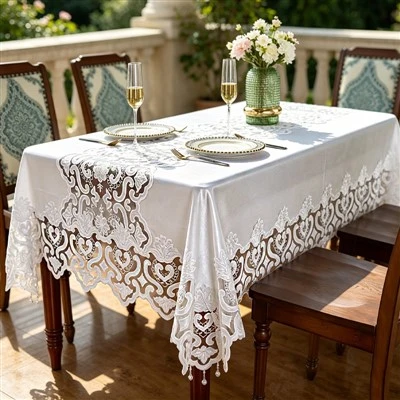
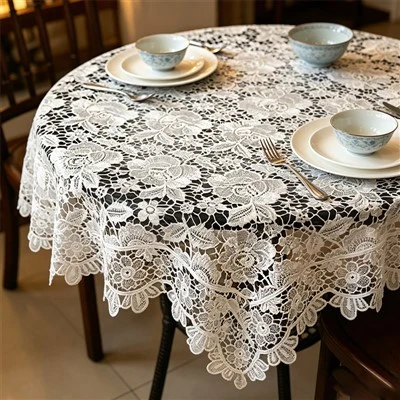
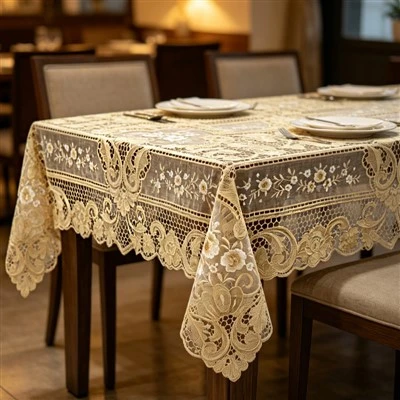
TC Fabric: Shines in high-durability, low-maintenance scenarios: work uniforms (e.g., factory or hospitality staff), outdoor apparel, tote bags, and home textiles like curtains or tablecloths (where wrinkle resistance is key).
Shandong Shengrun Textile: Expertise in CVC & TC Blends
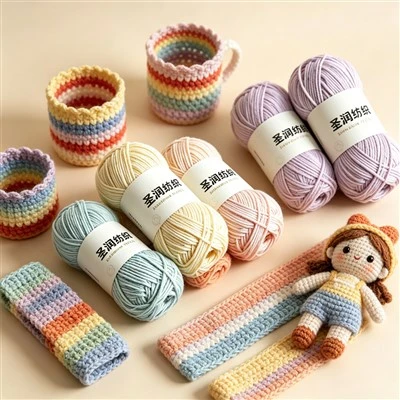
At Shandong Shengrun Textile, we specialize in both CVC and TC fabrics, leveraging our in-house production capabilities to tailor blends to your exact needs:
Custom Ratios: Beyond standard 65/35 splits, we offer adjustable blends (e.g., 70/30 CVC for extra softness, 80/20 TC for maximum durability) to match your product's requirements.
Quality & Consistency: Our CVC fabrics use high-grade cotton for a luxe feel, while our TC fabrics prioritize premium polyester for long-lasting performance. All blends undergo strict pre-treatment to minimize shrinking or pilling.
Versatile Applications: Whether you need CVC for comfortable apparel or TC for rugged workwear, we support OEM/ODM services-from dyeing (custom colors to match your brand) to finishing (e.g., anti-wrinkle treatments for TC).
Sample & Audit Support: Test our CVC and TC fabrics with free samples, or visit our factory to inspect production processes (we use advanced weaving machines to ensure uniform texture across every meter).
Final Takeaway
CVC and TC fabrics excel in different scenarios: Choose CVC for softness, breathability, and cotton-like comfort; choose TC for durability, wrinkle resistance, and color retention.
At Shandong Shengrun Textile, we're here to help you pick (or customize) the perfect blend for your project-whether it's apparel, home goods, or industrial textiles. Contact us today to discuss your needs!