Sustainability in Textiles:
Eco-Friendly Fabrics and Consumer Demand in 2025
2025 marks a pivotal year for textile sustainability-consumers and brands worldwide are no longer viewing eco-friendliness as a "nice-to-have" but a non-negotiable. Driven by growing awareness of environmental impact, demand for fabrics made from natural, renewable resources and produced via green processes has surged. Below's a practical breakdown of this trend, key eco-friendly fabric choices, and how Shandong Shengrun Textile integrates sustainability into every step of our operations to meet market needs.
1. 2025 Consumer Demand: Sustainability as a Core Buying Driver
Today's buyers-especially in European, American, and "一带一路" markets-prioritize three key factors when choosing textile products:
Transparent, eco-conscious sourcing: 78% of global consumers (per recent textile industry reports) are willing to pay 10-20% more for fabrics made from organic or renewable materials, with a focus on minimal environmental footprint.
Third-party certifications: Labels like OEKO-TEX® 100 (no harmful chemicals), GOTS (organic textile standards) have become trust signals, helping buyers avoid "greenwashing."
Green production claims: Buyers increasingly ask for details on water/energy usage, waste reduction, and carbon emissions during manufacturing-proving supply chain transparency is just as critical as the final product.
2. Top Eco-Friendly Fabrics in 2025: Natural Fibers Lead the Way
Natural, renewable fibers dominate the 2025 sustainable textile market, thanks to their biodegradability and lower environmental impact compared to synthetics:
Organic cotton: Grown without synthetic pesticides or fertilizers, it uses 91% less water than conventional cotton. Ideal for apparel, bed linens, and baby products (skin-friendly and hypoallergenic).
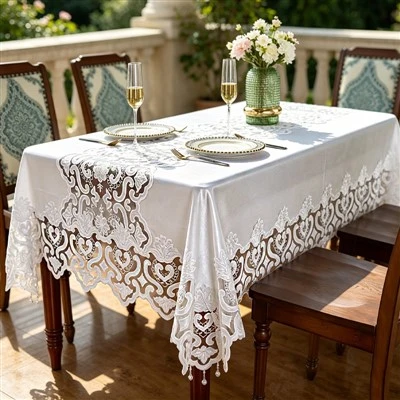
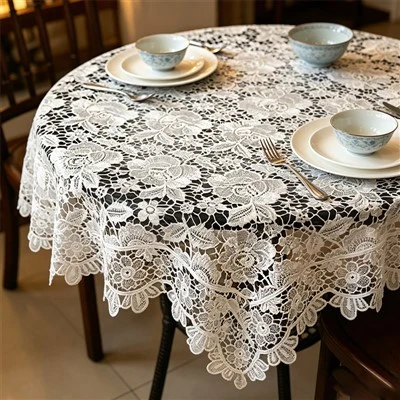
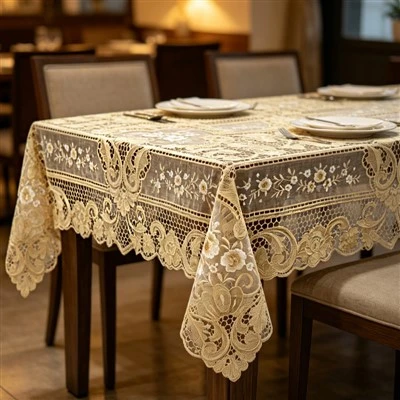
Linen: Made from flax, a crop that requires minimal water and no pesticides. Its durability (lasting 2-3x longer than cotton) reduces waste, aligning with circular economy goals. Perfect for table linens, apparel, and home decor.
Bamboo fiber: Fast-growing and self-regenerating, bamboo requires no irrigation or chemicals. Its moisture-wicking and antibacterial properties make it great for activewear and loungewear.
These fabrics not only meet eco-demands but also offer practical benefits (softness, durability, breathability) that keep consumers coming back.
3. Shandong Shengrun's Green Commitment: From Sourcing to Production
At Shandong Shengrun Textile, sustainability is embedded in our core operations-we focus on natural fibers, green manufacturing, and full transparency to deliver eco-friendly fabrics you can trust:
a. Eco-Conscious Raw Material Sourcing
We exclusively partner with certified suppliers for organic cotton, sustainable flax (linen), and bamboo fibers. All natural fibers are traceable, ensuring they meet GOTS and FSC standards-no harmful chemicals, no unsustainable farming practices.
b. Green Production Processes
Our manufacturing facility prioritizes energy efficiency and waste reduction:
Water conservation: We use advanced wastewater treatment systems that recycle 85% of production water, minimizing runoff and pollution.
Energy efficiency: Solar panels power 30% of our production line, reducing reliance on non-renewable energy.
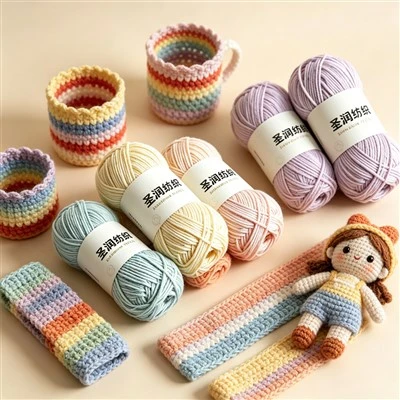
Waste reduction: Linen and cotton 边角料 (scrap materials) are repurposed into smaller textile accessories (e.g., napkin trims, craft fabrics) instead of being landfilled.
c. Certified Eco-Friendly Products
All our natural fiber fabrics (organic cotton, linen, bamboo blends) hold OEKO-TEX® 100 Class I certification (safe for baby use) and GOTS certification. We provide full certification documents to clients, ensuring complete transparency for your brand and customers.
d. Custom Sustainable Solutions
We offer OEM/ODM services for eco-focused brands:
Custom blends (e.g., organic cotton-linen for table linens, bamboo-cotton for activewear) tailored to your product needs.
Low-impact dyeing processes (natural plant-based dyes) that avoid toxic chemicals while maintaining vibrant color retention.
Free eco-fabric samples for quality testing, so you can verify texture, durability, and sustainability credentials firsthand.
4. Why Partner with Us for 2025's Sustainability Trend?
As consumer demand for eco-friendly textiles grows, partnering with a supplier that "walks the talk" on sustainability is key to staying competitive. Shandong Shengrun combines:
Proven expertise in natural, eco-friendly fabrics (organic cotton, linen, bamboo).
Green production practices that reduce your brand's environmental footprint.
Transparent certification and sourcing to build trust with your customers.
Flexible support even amid global supply chain shifts.
2025 is the year sustainability becomes a competitive advantage in textiles. Whether you're launching an organic apparel line, eco-friendly home textiles, or sustainable gift products, Shandong Shengrun's green fabrics and production capabilities are here to support your goals.
Contact us today to request eco-fabric samples, discuss custom sustainable solutions, or learn more about our green manufacturing processes-let's build a more sustainable textile future together!