AI & Digital Fabric Design: What Buyers Want Now
The global textile industry is entering a new phase where AI tools and digital design technologies are becoming essential rather than optional. In 2026, international buyers are no longer only focused on price and material quality - they increasingly value design speed, customization flexibility, and visual accuracy before production.
Faster Visualization, Faster Decisions
With digital fabric simulation and AI-assisted pattern generation, buyers can preview embroidery layouts, lace motifs, and print combinations in real time. This shortens communication cycles and significantly reduces the need for repeated physical sampling.
For wholesale buyers and importers, faster visualization means quicker purchasing decisions and more efficient product launches.
Customization Over Mass Inventory
One of the clearest shifts in buyer behavior is the move toward made-to-order production instead of large stock inventories. Digital design systems allow easy changes in color tones, pattern density, and scale, making small-batch customization more practical.
Manufacturers who support flexible OEM / ODM production are becoming more attractive partners in this evolving market.
Integration of Printing, Embroidery & Lace
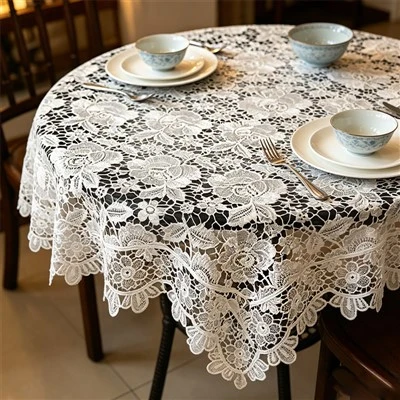
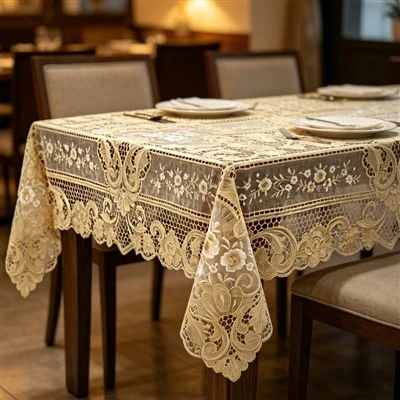
Modern fabric development is no longer limited to a single technique. Buyers are increasingly interested in hybrid textiles - for example, digital printed bases combined with embroidery details or water-soluble lace overlays.
This layered design approach enhances texture, depth, and visual value while maintaining production efficiency.
Sustainability and Efficiency
Digital workflows also support sustainability goals by reducing excess sampling, minimizing fabric waste, and optimizing production planning. Many buyers now consider digital-ready suppliers to be more aligned with long-term environmental and operational efficiency standards.
The Direction of Textile Manufacturing
As digital design tools continue to evolve, textile manufacturers that embrace technology, customization capability, and stable production quality are better positioned to meet international buyer expectations.
AI and digital assistance are not replacing craftsmanship - instead, they are enhancing creativity, speed, and precision, shaping the future of fabric development across fashion, home textiles, and decorative applications.