Hey there, fellow embroidery enthusiasts! As an embroidery supplier, I get this question a lot: "What size embroidery hoop should I choose?" It's a crucial decision that can significantly impact your embroidery projects. So, let's dive right in and explore the ins and outs of picking the perfect embroidery hoop size.
Understanding the Basics of Embroidery Hoops
First things first, let's talk about what an embroidery hoop actually does. An embroidery hoop is a simple yet essential tool that holds your fabric taut while you stitch. This helps you create smooth, even stitches and prevents the fabric from wrinkling or bunching up. Without a good hoop, your embroidery can look messy and uneven.
Embroidery hoops come in various materials, such as wood, plastic, and metal. But for the purpose of this discussion, we're going to focus on the size. The size of an embroidery hoop is typically measured by the diameter of the inner ring. Common sizes range from as small as 2 inches to as large as 14 inches or more.
Small Embroidery Hoops (2 - 4 inches)
Small embroidery hoops are perfect for detailed, delicate work. If you're into miniature embroidery, like creating tiny floral motifs or detailed portraits, a small hoop is your best bet. These hoops are also great for adding small embellishments to clothing, like a monogram on a handkerchief or a tiny logo on a hat.
One of the advantages of using a small hoop is that it gives you more control over your stitches. Since the fabric area is small, it's easier to keep the tension even and work on intricate details. However, working with a small hoop can be time - consuming, especially if you're working on a larger design. You may need to move the fabric around the hoop multiple times to cover the entire area.
If you're interested in creating small, eco - friendly embroidered items, check out our Polyester Mats Eco - Friendly Lace Coasters. These coasters are perfect for practicing small - scale embroidery and adding a touch of style to your home.
Medium Embroidery Hoops (5 - 8 inches)
Medium - sized embroidery hoops are the most versatile. They're large enough to handle a decent - sized design but still small enough to be manageable. If you're a beginner, a medium hoop is a great place to start. You can use it to create wall hangings, pillow covers, or even small table runners.
A medium hoop allows you to work on a larger area without having to constantly reposition the fabric. This makes it ideal for projects that require a bit more detail but aren't overly complex. For example, you could use a 6 - inch hoop to create a beautiful floral pattern for a tote bag.
If you're looking for some inspiration for medium - sized embroidery projects, our Eco - Friendly Embroidered Coasters are a great example. These coasters are a fun and practical project that you can complete using a medium hoop.
Large Embroidery Hoops (9 inches and above)
Large embroidery hoops are for those big, bold designs. If you're planning to create a large wall tapestry, a king - sized pillow cover, or an entire tablecloth, a large hoop is necessary. Working with a large hoop gives you the freedom to create expansive designs without having to piece together multiple smaller sections.
However, large hoops can be a bit cumbersome to handle. They require more space to work with, and it can be challenging to keep the fabric tension even across the entire area. You may also need to use additional tools, like a stand, to support the hoop while you stitch.
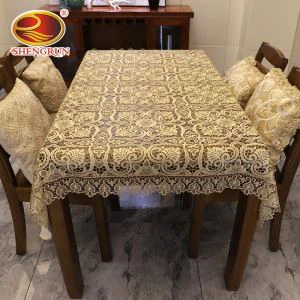
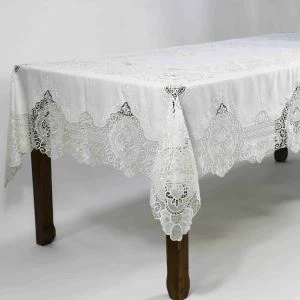
If you're ready to take on a large - scale embroidery project, our Eco - Friendly Polyester Table Mats are a great option. These table mats are perfect for showcasing your large - scale embroidery skills and adding a touch of elegance to your dining table.
Factors to Consider When Choosing a Hoop Size
Now that we've covered the different sizes of embroidery hoops, let's talk about some factors to consider when making your decision.
Design Size
The size of your design is the most important factor. If your design is small and detailed, a small hoop is the way to go. On the other hand, if you have a large, complex design, you'll need a larger hoop. Make sure to measure your design before choosing a hoop to ensure it fits comfortably within the hoop's inner ring.
Fabric Type
Different fabrics require different hoop sizes. For example, lightweight fabrics like silk or chiffon may be easier to work with in a smaller hoop because they're more delicate and can be easily stretched. Heavier fabrics like denim or canvas, on the other hand, may require a larger hoop to keep them taut.
Project Type
The type of project you're working on also matters. If you're creating a wearable item, like a shirt or a hat, you may want to choose a smaller hoop that can easily fit around the garment. For home decor items like wall hangings or tablecloths, you can opt for a larger hoop.
Tips for Using Embroidery Hoops
Once you've chosen the right hoop size, here are some tips to help you use it effectively:


- Tighten the Hoop Properly: Make sure the fabric is evenly stretched across the hoop and the tension is tight enough to prevent wrinkling but not so tight that it distorts the fabric.
- Use a Backing Material: For delicate fabrics or designs with a lot of stitches, using a backing material can help prevent the fabric from tearing and keep the stitches looking neat.
- Keep the Hoop Clean: Regularly clean your hoop to prevent dirt and debris from accumulating, which can affect the fabric tension and the quality of your stitches.
Conclusion
Choosing the right embroidery hoop size is all about finding the balance between the size of your design, the type of fabric, and the type of project you're working on. Whether you're a beginner or an experienced embroiderer, there's a hoop size out there that's perfect for you.
If you have any questions about choosing the right hoop size or need help with your embroidery projects, don't hesitate to reach out. We're here to assist you every step of the way. Whether you're interested in small - scale, detailed work or large - scale, bold designs, we have the products and expertise to meet your needs. Contact us today to start your next embroidery adventure!
References
- "The Complete Guide to Embroidery Tools" by Jane Smith
- "Embroidery for Beginners" by Sarah Johnson