When it comes to purchasing canvas fabric, one of the most common questions that customers ask is about its lifespan. As a reputable supplier of canvas fabric, I understand the importance of providing accurate information to help you make informed decisions. In this blog post, I'll delve into the factors that influence the lifespan of canvas fabric and offer some insights to guide your purchasing choices.
Understanding Canvas Fabric
Canvas fabric is a heavy-duty, plain-woven fabric typically made from cotton, linen, or a blend of synthetic fibers. It's known for its durability, strength, and versatility, making it a popular choice for a wide range of applications, including art, fashion, home decor, and industrial uses. The quality and composition of the fabric can vary significantly, which directly impacts its lifespan.
Factors Affecting the Lifespan of Canvas Fabric
-
Fiber Composition
- Cotton Canvas: Cotton is a natural fiber that is breathable, soft, and absorbent. However, it is also prone to wear and tear, especially when exposed to frequent use or harsh environmental conditions. Pure cotton canvas may have a lifespan of 5 to 10 years, depending on how it is cared for.
- Linen Canvas: Linen is another natural fiber that is known for its strength and durability. It is more resistant to abrasion and moisture than cotton, making it a good choice for outdoor applications. Linen canvas can last up to 15 years or more with proper care.
- Synthetic Blend Canvas: Canvas fabrics made from a blend of synthetic fibers, such as polyester or nylon, are often more durable and resistant to fading, staining, and mildew than natural fiber canvases. These fabrics can have a lifespan of 10 to 20 years or more, depending on the quality of the blend and the specific application.
-
Quality of Weave
- The quality of the weave plays a crucial role in determining the lifespan of canvas fabric. A tightly woven canvas is more resistant to tearing and fraying than a loosely woven one. Look for fabrics with a high thread count and a tight, uniform weave for maximum durability.
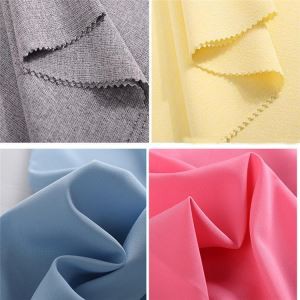
- For example, a T/C Grey Twill Fabric is a type of canvas fabric that features a twill weave, which is known for its strength and durability. This fabric is often used in industrial applications, such as workwear and upholstery, where durability is essential.
-
Usage and Environment
- The way you use and care for your canvas fabric can significantly impact its lifespan. Frequent use, exposure to sunlight, moisture, and chemicals can all cause the fabric to deteriorate over time.
- For outdoor applications, such as tents, awnings, and boat covers, canvas fabric should be treated with a water - repellent and UV - resistant finish to protect it from the elements. Regular cleaning and maintenance can also help extend the lifespan of the fabric.
- Indoor applications, such as wall art or home decor, may require less maintenance, but it's still important to avoid exposing the fabric to excessive heat, humidity, or direct sunlight.
-
Finishing Treatments


- Many canvas fabrics are treated with various finishes to enhance their performance and durability. These treatments can include water - repellency, flame - retardancy, stain - resistance, and UV protection.
- For instance, Cotton Canvas Fabric Printing may be treated with a special finish to ensure that the print remains vibrant and fade - resistant over time. These finishing treatments can significantly extend the lifespan of the fabric, especially in challenging environments.
Tips to Extend the Lifespan of Canvas Fabric
- Proper Cleaning
- Follow the manufacturer's instructions for cleaning your canvas fabric. In general, it's best to use a mild detergent and cold water to avoid damaging the fabric. Avoid using harsh chemicals or abrasive cleaners, as these can weaken the fibers and cause premature wear.
- For stubborn stains, spot - clean the affected area with a gentle cleaning solution and a soft brush. Rinse thoroughly and allow the fabric to air dry.
- Storage
- When not in use, store your canvas fabric in a cool, dry place away from direct sunlight. Avoid folding the fabric tightly, as this can cause creases and weaken the fibers. Instead, roll the fabric and store it in a breathable container or bag.
- Regular Inspections
- Periodically inspect your canvas fabric for signs of wear, tear, or damage. Look for loose threads, frayed edges, or discoloration. If you notice any issues, address them promptly to prevent further damage.
Our Canvas Fabric Offerings
As a supplier of canvas fabric, we offer a wide range of high - quality products to meet your specific needs. Our Wholesale Nice Quality T/C 80/20 21 21 108 58 Fabric is a popular choice among our customers. It is made from a blend of 80% polyester and 20% cotton, offering a balance of durability, comfort, and affordability.
This fabric is suitable for a variety of applications, including clothing, bags, and upholstery. With proper care, it can last for many years, making it a cost - effective choice for both personal and commercial use.
Conclusion
The lifespan of canvas fabric can vary widely depending on several factors, including fiber composition, quality of weave, usage, environment, and finishing treatments. By understanding these factors and taking proper care of your canvas fabric, you can extend its lifespan and get the most out of your investment.
If you're interested in purchasing canvas fabric for your next project, we invite you to explore our product offerings. Our team of experts is always available to answer your questions and help you find the perfect fabric for your needs. Contact us today to start a purchasing discussion and discover the difference our high - quality canvas fabrics can make.
References
- Textile Institute. Handbook of Textile Fibres. Woodhead Publishing, 2019.
- ASTM International. Standard Test Methods for Evaluating the Performance of Canvas Fabrics. ASTM, 2020.