When it comes to purchasing embroidery, understanding the finishing quality is crucial. As a supplier of embroidery products, I've had the privilege of working with a wide range of clients, each with their own unique expectations and requirements. In this blog, I'll delve into the key aspects of embroidery finishing quality that you should consider when making a purchase.
1. Thread Quality
The foundation of high - quality embroidery lies in the thread used. High - end threads are made from materials like silk, rayon, or high - quality polyester. Silk threads offer a luxurious sheen and softness, making them ideal for elegant and high - end embroidery pieces. Rayon threads, on the other hand, are known for their bright colors and smooth finish. They can create vivid and eye - catching designs. Polyester threads are durable and resistant to fading, making them a popular choice for embroidery that will be exposed to the elements or frequent use.
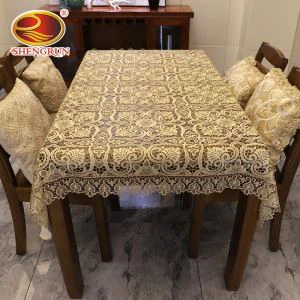
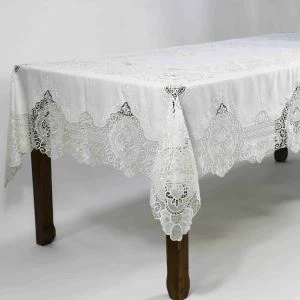
For instance, in our Rectangle Polyester Table Cloth Tablecloth, we use high - quality polyester threads. These threads ensure that the embroidery on the tablecloth remains vibrant and intact even after multiple washes. The tight stitching and the use of premium threads contribute to the overall durability and aesthetic appeal of the product.
2. Stitch Density
Stitch density refers to the number of stitches per square inch in an embroidery design. A higher stitch density generally results in a more detailed and professional - looking finish. However, it also means that the embroidery process takes longer and may be more expensive.
When evaluating stitch density, you need to consider the purpose of the embroidery. For a decorative item that will be viewed up close, such as a piece of clothing or a small accessory, a higher stitch density is recommended. This will bring out the fine details of the design. In contrast, for larger items like wall hangings or tablecloths that will be viewed from a distance, a moderate stitch density may be sufficient.
Our TC Lace African Net Embroidery Lace Fabric showcases a well - balanced stitch density. The stitches are closely packed enough to create a rich and detailed pattern, but not so dense that it makes the fabric stiff or heavy. This allows the fabric to retain its flexibility and drape, which is essential for its use in various fashion and decorative applications.
3. Color Fastness
Color fastness is a measure of how well the colors in the embroidery will resist fading over time. This is especially important for items that will be exposed to sunlight, washing, or friction. Poor color fastness can result in the colors bleeding, fading, or changing hue, which can significantly reduce the aesthetic value of the embroidery.
To ensure good color fastness, we use high - quality dyes and pigments in our embroidery processes. Before mass - producing any embroidery product, we conduct color fastness tests under various conditions, including exposure to sunlight, washing, and rubbing. Our New Type Flower Tulle Embroidery Fabric Textile has excellent color fastness. The bright and vivid colors of the flower designs remain intact even after repeated handling and washing, thanks to our strict quality control measures.


4. Edge Finishing
The edge finishing of an embroidered item is often overlooked but is an important aspect of its overall quality. A well - finished edge not only enhances the appearance of the embroidery but also prevents fraying and unraveling.
There are several methods of edge finishing, including serging, binding, and hemming. Serging is a popular choice for fabric edges as it creates a neat and durable finish. Binding involves attaching a narrow strip of fabric around the edge, which can add a decorative touch. Hemming is a more traditional method that involves folding the edge of the fabric over and stitching it down.
In our products, we pay close attention to edge finishing. For example, on our tablecloths, we use a professional hemming technique to ensure that the edges are smooth and even. This not only makes the tablecloth look more polished but also increases its lifespan.
5. Design Precision
Design precision refers to how accurately the embroidery machine reproduces the original design. A high - quality embroidery should have clean lines, sharp corners, and well - defined shapes. Any distortion or blurring in the design can make the embroidery look amateurish.
To achieve design precision, we use advanced embroidery machines and software. Our technicians are highly trained to set up the machines correctly and monitor the embroidery process to ensure that the design is reproduced exactly as intended. Whether it's a simple geometric pattern or a complex floral design, we strive for perfection in every stitch.
6. Backing and Stabilization
Backing and stabilization materials are used to support the fabric during the embroidery process and to prevent puckering or distortion. The type of backing used depends on the type of fabric and the design of the embroidery.
For lightweight fabrics, a thin and flexible backing may be sufficient. For heavier fabrics or designs with a high stitch density, a more rigid backing may be required. We carefully select the appropriate backing materials for each of our products to ensure that the embroidery has a smooth and professional finish.
7. Inspection and Quality Control
At our company, we have a rigorous inspection and quality control process in place. Every embroidered item is inspected at multiple stages of production, from the initial design proofing to the final packaging. Our quality control team checks for any defects, such as loose threads, uneven stitching, or color discrepancies.
Only products that meet our strict quality standards are allowed to leave our facility. This ensures that our customers receive embroidery products of the highest quality.
Conclusion
When you're in the market to buy embroidery, considering these aspects of finishing quality is essential. Whether you're looking for a decorative tablecloth, a beautiful piece of fabric, or any other embroidered item, understanding the thread quality, stitch density, color fastness, edge finishing, design precision, backing, and the overall quality control process will help you make an informed decision.
If you're interested in purchasing high - quality embroidery products, we'd love to have a conversation with you. Our team is ready to assist you in finding the perfect embroidery items that meet your specific needs and preferences. Contact us today to start your procurement discussion.
References
- Textile Industry Standards: A Guide to Quality Assurance.
- Embroidery Techniques and Best Practices Handbook.
- Color Fastness Testing in the Textile Industry - Research Papers.