Wax print fabric, with its vibrant colors, intricate patterns, and rich cultural heritage, has gained significant popularity worldwide. As a wax print fabric supplier, I have witnessed firsthand the dynamic nature of its pricing. Various factors come into play when determining the price of wax print fabric, and understanding these elements is crucial for both suppliers and buyers. In this blog, I will delve into the key factors that affect the price of wax print fabric.
1. Raw Material Costs
The quality and type of raw materials used in wax print fabric production have a substantial impact on its price. The two primary materials for wax print fabric are cotton and polyester.
- Cotton: African Wax Print 100% Cotton is highly sought after due to its natural breathability, softness, and durability. High - quality cotton, especially long - staple cotton, is more expensive as it produces a smoother and stronger fabric. The cost of cotton is also influenced by factors such as global supply and demand, weather conditions affecting cotton crops, and trade policies. For example, if there is a drought in major cotton - producing regions, the supply of cotton will decrease, leading to an increase in its price and subsequently, the price of wax print fabric made from cotton.
- Polyester: Polyester is a synthetic fiber that is often used in wax print fabric production for its affordability, wrinkle - resistance, and color - fastness. High Quality 100% Polyester African Wax Prints are generally less expensive than their cotton counterparts. The price of polyester is closely related to the price of petroleum, as it is a petroleum - based product. Fluctuations in oil prices can cause significant changes in the cost of polyester and, therefore, polyester - based wax print fabric.
2. Production Process
The complexity and cost of the production process are major determinants of the price of wax print fabric.
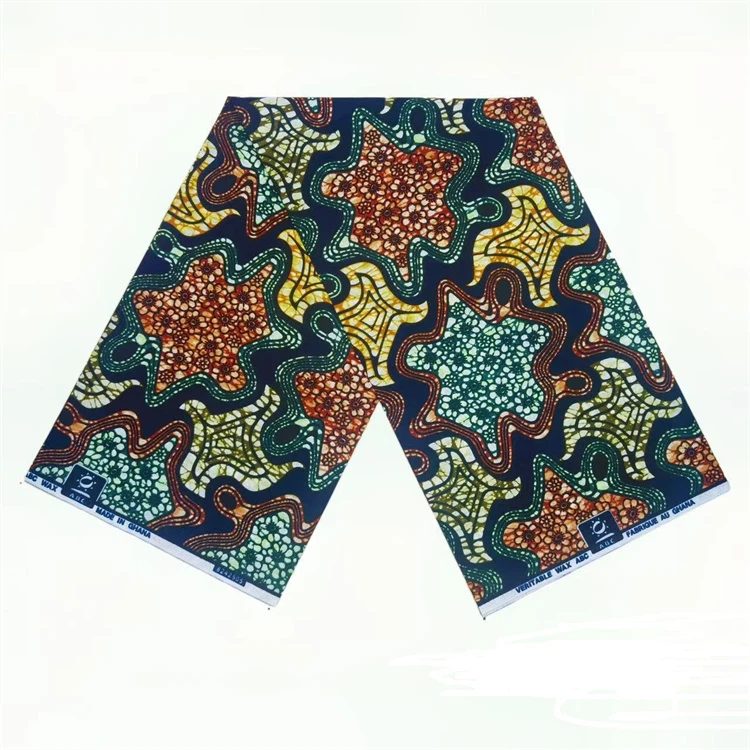
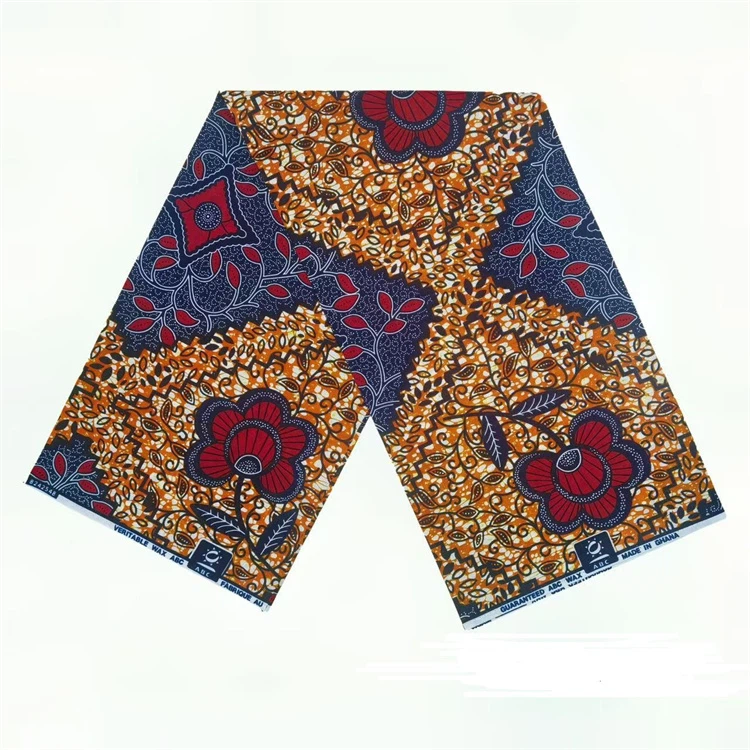
- Traditional Wax Resist Technique: The traditional method of creating wax print fabric involves applying wax to the fabric in a specific pattern before dyeing. The wax acts as a resist, preventing the dye from penetrating the areas where it is applied. This is a labor - intensive process that requires skilled artisans. The cost of labor, the quality of wax used, and the time taken to complete each piece all contribute to the final price. Fabrics made using traditional wax resist techniques are often more expensive due to the high level of craftsmanship involved.
- Modern Printing Methods: Modern printing technologies, such as digital printing, have made it possible to produce wax print fabric more quickly and at a lower cost. Digital printing allows for greater precision and a wider range of patterns, but it also requires expensive equipment and software. The initial investment in digital printing technology is high, and these costs are often factored into the price of the fabric. However, in the long run, digital printing can be more cost - effective for large - scale production.
3. Design and Pattern Complexity
The design and pattern of wax print fabric play a significant role in its pricing.
- Unique and Original Designs: Fabrics with unique, original designs are more valuable as they offer something different from mass - produced items. Designers spend time and effort creating new patterns, and the cost of design development is reflected in the price of the fabric. These unique designs may also be protected by copyright, which adds to their exclusivity and price.
- Complex Patterns: Patterns that are more complex, with fine details and multiple colors, require more time and resources to produce. For example, a pattern with intricate geometric shapes or detailed floral motifs may take longer to print or apply using the wax resist method. As a result, fabrics with complex patterns are generally more expensive than those with simpler designs.
4. Brand and Reputation
The brand and reputation of the wax print fabric supplier can also influence the price.
- Established Brands: Well - known brands in the wax print fabric industry often command higher prices. These brands have built a reputation for quality, reliability, and innovation over time. Customers are willing to pay more for products from established brands because they trust the brand's commitment to delivering high - quality fabric.
- Sustainable and Ethical Brands: In recent years, there has been a growing demand for sustainable and ethical wax print fabric. Brands that focus on environmentally friendly production methods, fair trade practices, and social responsibility may charge a premium for their products. Consumers are increasingly willing to support these brands, even if it means paying a higher price.
5. Market Demand and Supply
The basic economic principle of supply and demand has a direct impact on the price of wax print fabric.
- High Demand: When there is a high demand for wax print fabric, such as during festive seasons or when a particular style becomes trendy, the price tends to increase. For example, if a popular fashion designer uses wax print fabric in their collection, it can create a surge in demand, leading to higher prices.
- Low Supply: A decrease in the supply of wax print fabric can also cause prices to rise. This could be due to factors such as production disruptions, shortages of raw materials, or a limited number of suppliers. If there is a shortage of a particular type of wax print fabric, consumers may be willing to pay more to obtain it.
6. Quality and Durability
The quality and durability of wax print fabric are important factors in determining its price.
- Color Fastness: High - quality wax print fabric should have good color fastness, meaning that the colors do not fade easily when washed or exposed to sunlight. Fabrics with better color fastness require higher - quality dyes and more advanced dyeing processes, which increase their cost.
- Fabric Strength and Durability: A durable fabric that can withstand regular use and washing is more valuable. Fabrics made from high - quality raw materials and produced using proper manufacturing techniques are generally more durable and, therefore, more expensive.
7. Customization
Customization options can significantly affect the price of wax print fabric.
- Customized Logo: Wax Printed Fabric Customized Logo is a popular option for businesses and organizations. Adding a customized logo or design to the fabric requires additional steps in the production process, such as digitizing the logo and adjusting the printing or wax - resist process accordingly. The cost of customization includes the time and resources spent on preparing the design and implementing it on the fabric.
Conclusion
In conclusion, the price of wax print fabric is influenced by a variety of factors, including raw material costs, production process, design and pattern complexity, brand and reputation, market demand and supply, quality and durability, and customization options. As a wax print fabric supplier, I understand the importance of balancing these factors to offer high - quality products at competitive prices.
If you are interested in purchasing wax print fabric for your project, whether it's for fashion, home decor, or any other purpose, I invite you to contact me for a detailed discussion. We can explore the different options available, including fabric type, design, and customization, to find the perfect solution for your needs. Let's work together to bring your creative ideas to life with our beautiful wax print fabrics.
References
- Beard, G. (2018). African Textiles: The Art of Adire and Other Resist - Dyed Fabrics. Thames & Hudson.
- Entwistle, J. (2000). Fashioning Fashion: A New Sociology of Fashion. Polity Press.
- Miller, D. (1995). A Theory of Shopping. Cornell University Press.