Hey there! I'm a supplier from a canvas factory, and today I wanna chat about the challenges we face in this industry. Running a canvas factory ain't no walk in the park, and there are quite a few hurdles we've gotta jump over.
Raw Material Costs and Availability
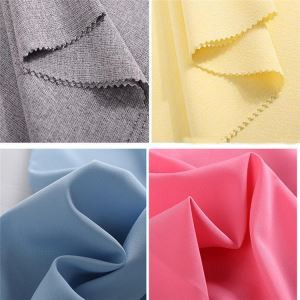
One of the biggest headaches for us canvas factory folks is the cost and availability of raw materials. Canvas is typically made from cotton, polyester, or a blend of both, like the Wholesale Nice Quality T/C 80/20 21 21 108 58 Fabric. The prices of these raw materials can be super volatile. For example, the cost of cotton can fluctuate based on things like weather conditions, global demand, and trade policies.
When there's a bad harvest due to droughts or floods, the supply of cotton goes down, and the prices shoot up. And since we need a consistent supply of high - quality raw materials to keep our production going, these price hikes really put a strain on our bottom line. Sometimes, we have to pay more for the same amount of materials, which means our production costs increase. And if we can't pass these costs on to our customers, our profit margins take a hit.
Another issue is the availability of certain types of raw materials. For instance, getting our hands on T/C Grey Plain Fabric in the right quantity and quality can be a real challenge. There are times when our regular suppliers run out of stock, and we have to scramble to find alternative sources. This can lead to delays in production and unhappy customers.
Competition in the Market
The canvas market is highly competitive. There are so many canvas factories out there, all vying for the same customers. We're not just competing with local factories; we're up against international suppliers too. These international players often have lower production costs, maybe because of cheaper labor or access to more affordable raw materials in their regions.
To stand out in this crowded market, we have to offer high - quality products at competitive prices. But it's not that easy. We invest a lot in research and development to come up with new and improved canvas products. For example, we're constantly working on making our canvas more durable, water - resistant, or fire - retardant. However, these improvements come with additional costs, and we have to find a balance between quality and price.
We also have to be really good at marketing our products. Just having a great product isn't enough; we need to let our potential customers know about it. This means spending money on advertising, attending trade shows, and building a strong online presence. But with so many other factories doing the same thing, it's hard to cut through the noise and get noticed.
Technological Advancements
The textile industry is evolving rapidly, and new technologies are emerging all the time. While these advancements can bring a lot of benefits, they also pose challenges for us canvas factories. For example, there are new manufacturing processes that can produce canvas more efficiently and with better quality. If we don't keep up with these technologies, we risk falling behind our competitors.


Investing in new technology can be really expensive. We need to buy new machinery, train our workers to use it, and update our production systems. And there's always a risk that the technology we invest in might become obsolete in a few years. For instance, some factories are now using digital printing on canvas, which allows for more detailed and customizable designs. If we don't adopt this technology, we might lose customers who are looking for these kinds of customized products.
Environmental Regulations
In recent years, there's been a growing emphasis on environmental protection, and the canvas industry is no exception. There are strict environmental regulations that we have to comply with. For example, the process of dyeing and finishing canvas can produce a lot of wastewater, which contains harmful chemicals. We need to treat this wastewater properly before discharging it to avoid polluting the environment.
Setting up and maintaining a wastewater treatment system is expensive. We have to buy the necessary equipment, hire trained staff to operate it, and constantly monitor the water quality. And if we don't comply with the environmental regulations, we can face hefty fines and damage to our reputation.
We also need to be more sustainable in our use of raw materials. For example, we're looking into using more recycled materials in our canvas production. But finding reliable sources of recycled materials and ensuring their quality can be a challenge. And some customers may be hesitant to buy canvas made from recycled materials, thinking that it might be of lower quality.
Labor Shortages and Skills Gap
Finding and retaining skilled workers is becoming a major problem for our canvas factory. The textile industry used to be a big employer, but in recent years, fewer young people are interested in working in this field. There's a perception that it's a dirty and low - paying job, which is not entirely true.
We need workers with specific skills, such as operating complex manufacturing machinery, quality control, and design. But there's a shortage of people with these skills in the labor market. When we do find potential employees, we have to invest a lot in training them. And even after training, there's no guarantee that they'll stay with our factory for a long time.
This labor shortage can lead to production delays. If we don't have enough workers to run our production lines at full capacity, we can't meet our customers' orders on time. And this can result in lost business and a damaged reputation.
Quality Control
Maintaining consistent quality is crucial in the canvas industry. Our customers expect a certain level of quality from our products, and any deviation can lead to dissatisfaction. Quality control is a complex process that involves checking the raw materials, monitoring the production process, and inspecting the finished products.
We have a team of quality control experts who are responsible for ensuring that every roll of canvas meets our quality standards. But it's not always easy. There can be variations in the raw materials, even if they come from the same supplier. And during the production process, there are many factors that can affect the quality, such as the temperature, humidity, and the performance of the machinery.
If we find a quality issue in a batch of canvas, we have to decide whether to scrap it, rework it, or sell it at a discounted price. Scrapping the canvas means a loss of materials and production time. Reworking it can be time - consuming and may not always be possible. And selling it at a discounted price affects our profit margins.
Despite all these challenges, we're still committed to providing the best canvas products to our customers. We believe that by working hard, being innovative, and building strong relationships with our customers and suppliers, we can overcome these obstacles.
If you're in the market for high - quality canvas products, whether it's Grey Twill Fabric Manufacture 100% Cotton or any other type of canvas, we'd love to have a chat with you. We can discuss your specific needs and see how we can meet them. So, don't hesitate to reach out and start a procurement discussion with us.
References
- Textile Industry Reports from various market research firms
- Interviews with industry experts and fellow canvas factory owners