As a supplier of blended yarn, I understand the importance of enhancing the water - resistant properties of our products. Water resistance is a highly sought - after characteristic in many industries, including outdoor clothing, upholstery, and industrial applications. In this blog, I will share some effective methods to treat blended yarn to make it more water - resistant.
Understanding Blended Yarn
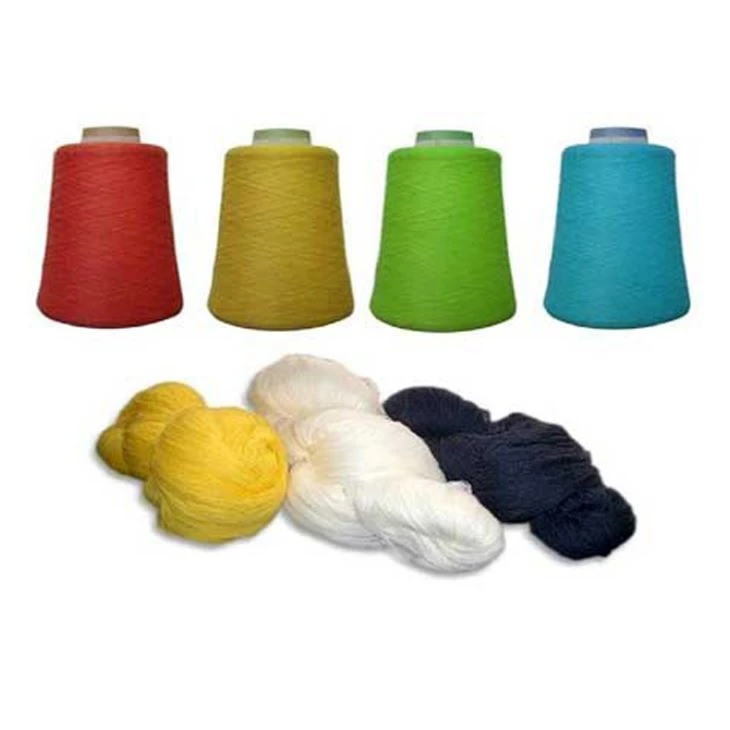
Before delving into the treatment methods, it's essential to understand what blended yarn is. Blended yarn is made by combining two or more different types of fibers. This combination can offer the best properties of each fiber, such as strength, softness, and durability. For instance, our Dope - dyed Acrylic Yarn combines the colorfastness of dope - dyed technology with the versatility of acrylic fibers. Similarly, Acrylic Tow Dyed Knitting Yarn offers excellent color and knitting performance. And 36NM/2 Sheep Cashmere Anti - pilling Blended Core Yarn combines the luxury of sheep cashmere with anti - pilling properties.
Chemical Treatments
Water - Repellent Finishes
One of the most common ways to make blended yarn water - resistant is through the application of water - repellent finishes. These finishes work by creating a thin, hydrophobic layer on the surface of the yarn fibers. There are several types of water - repellent finishes available, including fluorocarbon - based and non - fluorocarbon - based finishes.
Fluorocarbon - based finishes are known for their excellent water - repellency and durability. They can provide long - lasting protection against water, oil, and stains. However, due to environmental concerns, non - fluorocarbon - based finishes are becoming more popular. These finishes, such as silicone - based and wax - based finishes, are more eco - friendly and still offer good water - resistant properties.
The application process typically involves dipping the yarn into a solution containing the water - repellent finish. After dipping, the yarn is squeezed to remove excess solution and then dried at a specific temperature. The drying process helps the finish to bond to the yarn fibers effectively.
Plasma Treatment
Plasma treatment is another advanced method to enhance the water - resistance of blended yarn. Plasma is a state of matter consisting of ions, electrons, and neutral particles. When the yarn is exposed to plasma, the surface of the fibers undergoes a series of physical and chemical changes.
Plasma treatment can clean the fiber surface, remove contaminants, and create a rough surface topography. This rough surface increases the contact angle between the water droplet and the fiber, making it easier for the water to roll off the yarn. Additionally, plasma treatment can activate the fiber surface, allowing for better adhesion of subsequent water - repellent coatings.
The advantage of plasma treatment is that it is a dry process, which means there is no need for large amounts of water or chemicals. It is also a relatively fast process, making it suitable for large - scale production.
Physical Treatments
Coating
Coating the blended yarn with a water - resistant material is a straightforward physical treatment method. Materials such as polyurethane (PU) and polyvinyl chloride (PVC) can be used to create a waterproof layer on the yarn surface.
The coating process involves applying a thin layer of the coating material onto the yarn using techniques such as dipping, spraying, or knife - coating. After application, the coating is cured at a specific temperature to form a solid and continuous layer.
However, it's important to note that coating can affect the hand feel and breathability of the yarn. Therefore, the choice of coating material and the thickness of the coating need to be carefully considered to balance water - resistance with other properties.
Lamination
Lamination is a process of bonding a water - resistant film to the blended yarn. The film can be made of materials such as polyethylene (PE) or polytetrafluoroethylene (PTFE). Lamination can provide excellent water - resistance, especially when a high level of protection is required.
The lamination process usually involves using an adhesive to bond the film to the yarn. The adhesive needs to have good adhesion strength and compatibility with both the yarn and the film. Laminated yarns are commonly used in outdoor clothing and protective gear.
Fiber Selection and Blending
The choice of fibers in the blended yarn can also significantly affect its water - resistance. Some fibers, such as polyester and nylon, are inherently more water - resistant than natural fibers like cotton and wool. By increasing the proportion of these water - resistant fibers in the blend, the overall water - resistance of the yarn can be improved.
For example, if a blended yarn is intended for outdoor use, a higher percentage of polyester or nylon can be added to the blend. On the other hand, natural fibers can still be included in the blend to provide other desirable properties such as softness and breathability. The key is to find the right balance between water - resistance and other performance characteristics.
Testing and Quality Control
After treating the blended yarn to make it more water - resistant, it's crucial to conduct thorough testing to ensure the effectiveness of the treatment. There are several standard tests available to measure the water - resistance of yarns, such as the water repellency test (AATCC 22) and the hydrostatic head test.
The water repellency test measures the ability of the yarn to resist wetting by water droplets. A water spray is applied to the yarn sample, and the degree of wetting is evaluated based on a visual rating scale. The hydrostatic head test measures the maximum pressure of water that the yarn can withstand without leaking.
Regular quality control checks should be carried out during the production process to ensure that the treated yarn meets the required water - resistance standards. Any deviations from the standards should be addressed immediately to maintain product quality.

Conclusion
Treating blended yarn to make it more water - resistant involves a combination of chemical, physical, and fiber - selection methods. Each method has its own advantages and limitations, and the choice of method depends on the specific requirements of the end - use application. As a blended yarn supplier, we are committed to providing high - quality, water - resistant yarns to our customers.
If you are interested in our water - resistant blended yarns or have any questions about the treatment process, we welcome you to contact us for further discussion and potential procurement. We look forward to working with you to meet your specific needs.
References
- ASTM International. (2019). Standard Test Methods for Water Resistance of Textiles (Spray Test). ASTM D2261 - 19.
- AATCC. (2020). AATCC Test Method 22 - 2020: Water Repellency: Spray Test.
- Textile Institute. (2018). Handbook of Fiber Science and Technology, Volume 3: High - Performance Fibers. Woodhead Publishing.