In the dynamic world of fabric applications, Canvas stands out as a versatile and widely - used material. As a Canvas supplier, I've witnessed firsthand the importance of optimizing the performance of Canvas applications. Whether it's for fashion, home decor, or industrial use, a well - performing Canvas product can significantly enhance user experience and satisfaction. In this blog, I'll share some key strategies on how to optimize the performance of a Canvas application.
1. Material Selection
The foundation of any high - performing Canvas application lies in the right material selection. Different types of Canvas fabrics offer distinct properties, and choosing the appropriate one can make a world of difference.
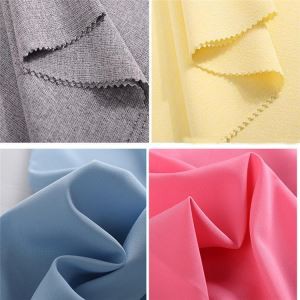
- Cotton Canvas: Cotton is a classic choice for Canvas. It is breathable, soft, and has excellent dye - holding capacity. For instance, our 100% Cotton Grey Fabric OE21C21 6060 48.5'' is a great option for applications where comfort and natural feel are crucial, such as clothing and upholstery. The combination of OE21 and C21 yarns provides a balanced strength and texture, making it suitable for both light - duty and medium - duty uses.
- Waterproof Canvas: When the application requires protection from moisture, waterproof Canvas is the way to go. Our Waterproof Dyed Fabric is treated with special waterproofing agents to ensure that it can withstand rain, spills, and other wet conditions. This type of Canvas is ideal for outdoor equipment, such as tents, awnings, and boat covers.
- Polyester - Cotton Blend Canvas: A blend of polyester and cotton combines the best of both worlds. Polyester adds strength, durability, and resistance to wrinkles, while cotton provides breathability and a soft touch. Our Polyester And Cotton Fabric For Tent is a prime example of this blend. It offers the necessary strength for tent construction while maintaining a comfortable interior environment.
2. Quality Control in Production
Once the right material is selected, strict quality control during the production process is essential to optimize performance.
- Yarn Quality: The quality of the yarn used in Canvas production directly affects the fabric's strength and durability. We source high - quality yarns from trusted suppliers and conduct thorough inspections to ensure that they meet our standards. This includes checking for proper twist, thickness, and uniformity.
- Weaving Process: The weaving technique plays a crucial role in determining the fabric's structure and performance. We use advanced weaving machines and skilled technicians to ensure that the Canvas is woven tightly and evenly. This results in a fabric with consistent strength and a smooth surface, which is important for applications like printing and painting.
- Finishing Treatments: After weaving, the Canvas may undergo various finishing treatments to enhance its performance. These treatments can include waterproofing, fire - retardant coating, and anti - microbial treatment. Each treatment is carefully applied and tested to ensure that it meets the required standards. For example, our waterproof Canvas is tested in a controlled environment to ensure that it can withstand a certain amount of water pressure without leaking.
3. Design Optimization
The design of a Canvas application can also have a significant impact on its performance.
- Pattern Design: For clothing and upholstery, a well - designed pattern can enhance the fit and functionality of the product. We work with experienced designers to create patterns that take into account the fabric's stretch, drape, and shrinkage properties. This ensures that the final product fits well and looks great.
- Structural Design: In applications like tents and awnings, the structural design is crucial. The shape, size, and layout of the Canvas pieces need to be carefully planned to ensure maximum strength and stability. We use computer - aided design (CAD) software to create detailed structural designs and conduct simulations to test their performance under different conditions.
- Function - Oriented Design: Consider the specific function of the Canvas application when designing. For example, if the Canvas is used for a backpack, the design should include compartments, straps, and zippers that are easy to use and durable. We conduct user research to understand the needs and preferences of our customers and incorporate these insights into our designs.
4. Maintenance and Care
Proper maintenance and care can extend the lifespan of a Canvas application and keep it performing at its best.
- Cleaning Instructions: Different types of Canvas require different cleaning methods. For cotton Canvas, gentle machine washing or hand washing with mild detergent is usually sufficient. Waterproof Canvas may require special cleaning agents to maintain its waterproofing properties. We provide detailed cleaning instructions with each product to ensure that our customers can clean their Canvas items correctly.
- Storage: When not in use, Canvas products should be stored properly. They should be cleaned and dried thoroughly before storage to prevent mold and mildew growth. Folding or rolling the Canvas neatly and storing it in a cool, dry place can also help maintain its shape and performance.
- Repair and Restoration: Over time, Canvas products may experience wear and tear. We offer repair and restoration services to help our customers keep their Canvas items in good condition. Our technicians are trained to repair tears, replace zippers, and re - apply finishing treatments as needed.
5. Testing and Evaluation
Continuous testing and evaluation are necessary to ensure that the Canvas application meets the desired performance standards.


- Performance Testing: We conduct a series of performance tests on our Canvas products, including strength testing, waterproofing testing, and abrasion resistance testing. These tests are carried out in accordance with international standards to ensure the reliability of the results.
- User Feedback: In addition to laboratory testing, we also value user feedback. We encourage our customers to share their experiences with our Canvas products, including any issues or suggestions for improvement. This feedback helps us identify areas for optimization and make necessary adjustments to our products.
Conclusion
Optimizing the performance of a Canvas application is a multi - faceted process that involves material selection, quality control, design optimization, maintenance, and testing. As a Canvas supplier, we are committed to providing high - quality Canvas products that meet the diverse needs of our customers. Whether you are looking for a comfortable cotton Canvas for your clothing or a durable waterproof Canvas for your outdoor equipment, we have the right solution for you.
If you are interested in our Canvas products or have any questions about optimizing Canvas performance, we invite you to contact us for a procurement discussion. We look forward to working with you to find the best Canvas solution for your application.
References
- ASTM International. (2023). Standards for textile testing.
- ISO. (2023). International standards for fabric performance.
- Textile Institute. (2023). Handbook of textile technology.