As a supplier of blended yarn, I understand the importance of ensuring that the yarn you're purchasing meets your quality standards, especially when it comes to softness. Softness is a crucial factor, whether you're using the blended yarn for knitting, crocheting, or textile manufacturing, as it directly impacts the comfort and appeal of the final product. In this blog, I'll share some practical ways to determine if the blended yarn you're buying is soft.
1. Understand the Fiber Composition
The first step in assessing the softness of blended yarn is to understand its fiber composition. Different fibers have distinct characteristics that contribute to the overall feel of the yarn.
- Natural Fibers: Fibers like cotton, silk, and cashmere are known for their softness. Cotton is a popular choice for its breathability and gentle touch, making it suitable for a wide range of applications, from baby clothes to everyday wear. Silk is luxurious and has a smooth, soft texture that drapes beautifully. Cashmere is incredibly soft and warm, often used in high - end clothing items.
- Synthetic Fibers: Polyester and acrylic are common synthetic fibers used in blended yarns. Polyester is durable and resistant to wrinkles, but it may not be as soft as natural fibers on its own. However, when blended with softer fibers, it can enhance the yarn's strength and durability. Acrylic, on the other hand, can mimic the softness of wool and is often used as a more affordable alternative.
For example, our Grey Melange Core Spun Yarn has a well - balanced fiber composition that combines the best of different fibers to achieve a certain level of softness while maintaining other desirable properties.
2. Check the Yarn Label
The yarn label is a valuable source of information. It usually provides details about the fiber content, care instructions, and sometimes even information about the softness or intended use of the yarn.
- Fiber Percentage: Look for the percentage of each fiber in the blend. A higher percentage of soft fibers like cotton or silk generally indicates a softer yarn. For instance, if a blended yarn is 70% cotton and 30% polyester, it is likely to be softer than a yarn with a lower cotton percentage.
- Care Instructions: Soft yarns may require special care to maintain their softness. If the label indicates gentle washing or dry - cleaning only, it could be a sign that the yarn is delicate and soft.
3. Physical Examination
When you have the yarn sample in hand, there are several physical tests you can perform to assess its softness.
-
Touch Test: Simply run the yarn through your fingers. A soft yarn will feel smooth and gentle against your skin, without any roughness or scratchiness. Pay attention to any areas that may feel coarse or have a different texture.
-
Bend and Twist: Bend the yarn and see how it responds. A soft yarn will bend easily and regain its shape without excessive stiffness. You can also twist the yarn slightly; a soft yarn will twist smoothly and not break or feel overly rigid.
-
Compare with Known Soft Yarns: If you have a sample of a yarn that you know is soft, compare it with the new yarn you're considering. This side - by - side comparison can give you a better sense of the relative softness of the yarn.
4. Consider the Yarn's Processing
The way the yarn is processed can also affect its softness.
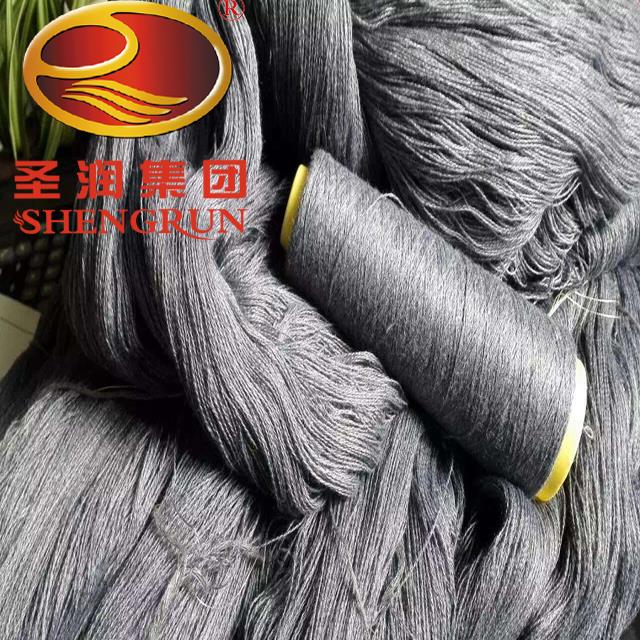
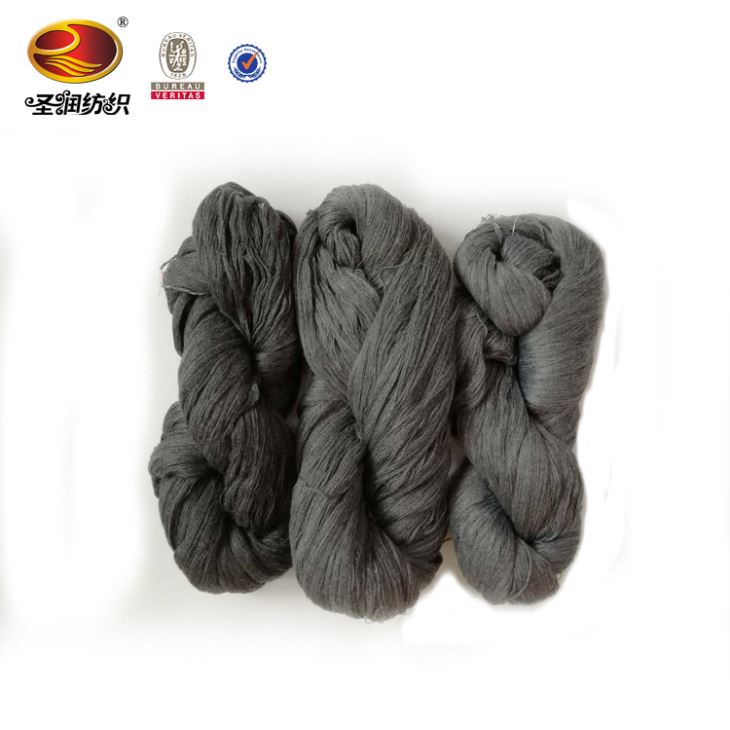
- Spinning Method: The spinning method used to create the yarn can impact its texture. For example, ring - spun yarns are often softer than open - end spun yarns because the fibers are more tightly twisted and aligned in ring - spinning, resulting in a smoother surface.
- Finishing Treatments: Some yarns undergo finishing treatments to enhance their softness. These treatments can include processes like mercerization for cotton yarns, which can make the yarn softer, smoother, and more lustrous.
5. Look at the End - Use Application
The intended use of the yarn can also influence your perception of its softness.
- For Baby Items: If you're buying blended yarn for baby clothes or blankets, softness is of utmost importance. You'll want to choose a yarn that is extremely gentle on the baby's sensitive skin. Our Wholesale 100% Polyester Yarn High Quality 21s 45s 32s can be a good option when blended with softer natural fibers for such applications.
- For Outerwear: For outerwear like sweaters or scarves, you may be more willing to compromise on a little bit of softness in favor of durability and warmth. However, you still want the yarn to be comfortable against the skin.
6. Read Customer Reviews
Customer reviews can provide valuable insights into the softness of the yarn. Look for reviews from other buyers who have used the yarn in similar applications. They can share their experiences about the feel of the yarn, any issues with scratchiness, and how well it maintains its softness over time.
7. Request Samples
Before making a large purchase, it's always a good idea to request samples of the blended yarn. This allows you to physically assess the softness and other properties of the yarn before committing to a bulk order.
At our company, we are committed to providing high - quality blended yarns that meet your softness requirements. We offer a wide range of products, including Acrylic Grey Melange Yarn, which has been carefully formulated to balance softness with other important characteristics.
If you're interested in purchasing our blended yarns and want to discuss your specific needs regarding softness or any other aspect, we invite you to reach out to us for a detailed procurement negotiation. We'll be happy to assist you in finding the perfect blended yarn for your project.
References
- Textile Science and Technology: Yarn Spinning Principles, by B. C. Gupta
- Handbook of Fiber Science and Technology, Volume III: High - Performance Fibers, by Mark, J. E.