When it comes to buying acrylic yarn, discerning its quality is crucial for both hobbyists and professionals in the knitting and weaving industries. As a supplier of acrylic yarn, I understand the significance of providing high - quality products and helping customers make informed decisions. In this blog, I'll share some key factors to consider when judging the quality of acrylic yarn.
Fiber Composition and Purity
One of the first aspects to examine is the fiber composition of the acrylic yarn. Pure acrylic yarn is made entirely from synthetic acrylic fibers. These fibers are known for their durability, resistance to moths and mildew, and ability to hold color well. However, some yarns may be blended with other fibers such as wool or cotton.
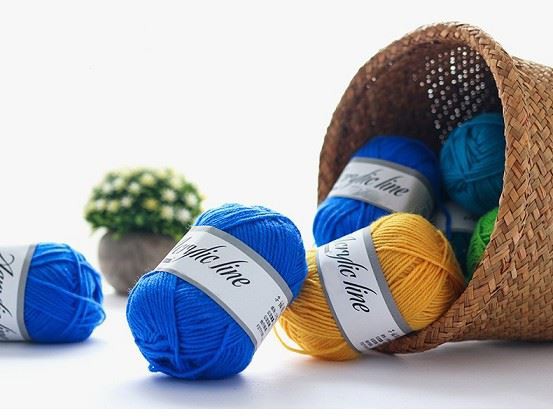
Blended yarns can offer a combination of the properties of different fibers. For example, an acrylic - wool blend might provide the warmth of wool and the easy - care nature of acrylic. But if you're specifically looking for the benefits of pure acrylic, make sure to check the label. High - quality acrylic yarn should have a clear indication of its fiber content. Our AB Acrylic Yarn Used For Knitting Weaving is made from pure acrylic fibers, ensuring consistent quality and performance.
Colorfastness
Color is an important factor when choosing acrylic yarn, whether you're creating a vibrant scarf or a subtle baby blanket. Good - quality acrylic yarn should have excellent colorfastness. This means that the color won't fade easily when exposed to light, washing, or friction.
To test colorfastness, you can perform a simple rub test. Take a small piece of the yarn and rub it gently against a white cloth. If there is significant color transfer onto the cloth, it may indicate poor colorfastness. Additionally, check the manufacturer's instructions regarding washing and care. High - end acrylic yarns are often treated with special dyes and finishes to enhance color retention. Our 8S Acrylic Yarn Skeins For Hand Knitting comes in a wide range of colors with exceptional colorfastness, so your projects will maintain their beauty over time.

Softness and Texture
The feel of the yarn in your hands is another important quality indicator. Soft acrylic yarn is more comfortable to work with and will result in a more pleasant end - product. Run your fingers along the yarn to assess its softness. A smooth, non - scratchy texture is desirable, especially if the finished item will be in direct contact with the skin, like a sweater or a baby hat.
However, be aware that very soft yarns may not always be as durable. There is often a balance between softness and strength. Some acrylic yarns are engineered to be both soft and strong. Our Soft Acrylic Yarn For Sweater strikes this perfect balance, providing a luxurious feel while still being sturdy enough for everyday wear.
Tensile Strength
Tensile strength refers to the ability of the yarn to withstand pulling and stretching without breaking. This is especially important for projects that will experience a lot of stress, such as blankets or rugs. To test the tensile strength of acrylic yarn, gently pull on a small section of the yarn. A high - quality yarn should be able to withstand a reasonable amount of force without snapping.
Weak yarn can lead to unraveling and a less - durable finished product. When purchasing acrylic yarn, look for information on the label about its strength or consult with the supplier. As a supplier, we ensure that all our acrylic yarns meet strict standards for tensile strength, so you can have confidence in your projects.
Consistency in Thickness
Consistency in thickness, also known as gauge, is essential for achieving a uniform look in your knitting or weaving projects. Uneven yarn can result in a lumpy or bumpy finished item. You can use a ruler or a gauge tool to measure the thickness of the yarn at different points.
High - quality acrylic yarn should have a consistent thickness throughout the skein. Inconsistent yarn can make it difficult to follow patterns and may require extra effort to correct during the project. Our acrylic yarns are carefully manufactured to maintain a consistent gauge, making them ideal for both beginner and experienced crafters.
Twist and Ply
The twist and ply of the yarn can also affect its quality and performance. Twist refers to how tightly the fibers are spun together, while ply refers to the number of strands of yarn that are twisted together.
A higher twist generally results in a stronger and more durable yarn, but it may also be less soft. A lower twist can make the yarn softer but may be more prone to fraying. The number of plies can also impact the yarn's thickness and appearance. For example, a two - ply yarn will be thinner than a three - ply yarn. Consider the requirements of your project when choosing the twist and ply of the acrylic yarn.
Packaging and Storage
The way the acrylic yarn is packaged and stored can also give you clues about its quality. Good - quality yarn is typically packaged in a way that protects it from damage, dust, and moisture. Look for skeins that are neatly wound and have a clear label with information about the yarn.
Proper storage is also important for maintaining the quality of the yarn. Acrylic yarn should be stored in a cool, dry place away from direct sunlight. If the yarn has been stored in poor conditions, it may develop mold, lose its shape, or become discolored. As a supplier, we take great care in packaging and storing our acrylic yarns to ensure that they reach you in perfect condition.
Price and Value
While price is not always an indicator of quality, it can play a role in your decision - making process. Higher - quality acrylic yarns may be more expensive, but they often offer better performance, durability, and colorfastness. However, it's important to consider the value for money.
Compare the features and quality of different acrylic yarns before making a purchase. Sometimes, a slightly more expensive yarn can save you time and money in the long run by reducing the need for repairs or replacements. As a supplier, we offer a range of acrylic yarns at different price points to meet the needs of various customers.
Customer Reviews and Reputation
Finally, don't forget to check customer reviews and the reputation of the supplier. Reading about other customers' experiences can give you valuable insights into the quality of the acrylic yarn. Look for reviews on the supplier's website, online marketplaces, or knitting and crafting forums.
A supplier with a good reputation is more likely to provide high - quality products and excellent customer service. At our company, we take pride in our positive customer reviews and strive to maintain our reputation for quality and reliability.
In conclusion, judging the quality of acrylic yarn involves considering multiple factors such as fiber composition, colorfastness, softness, tensile strength, consistency in thickness, twist and ply, packaging, price, and customer reviews. By taking the time to evaluate these aspects, you can ensure that you're purchasing the best acrylic yarn for your projects.
If you're interested in purchasing high - quality acrylic yarn, we invite you to contact us for a detailed discussion. Our team of experts is ready to assist you in finding the perfect yarn for your needs. Whether you're a professional weaver or a hobbyist knitter, we have the right acrylic yarn for you.
References
- Knitting and Crochet Guild of America. "Quality Standards for Yarn."
- Textile Institute. "Properties of Synthetic Fibers."
- Craft Yarn Council. "Guide to Choosing Yarn."