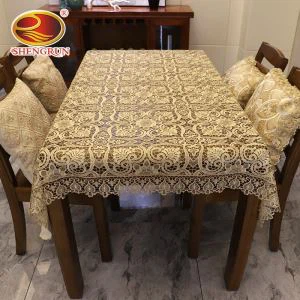
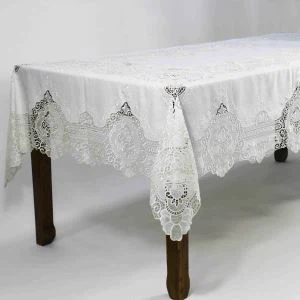
Whitework embroidery is a delicate and elegant form of needlework that has been cherished for centuries. As an embroidery supplier, I've had the privilege of witnessing the beauty and artistry of whitework firsthand. In this blog post, I'll guide you through the process of creating stunning whitework embroidery, from understanding the basics to mastering advanced techniques.
Understanding Whitework Embroidery
Whitework embroidery is characterized by the use of white thread on white fabric, creating a subtle and sophisticated look. This style of embroidery includes various techniques such as drawn thread work, cutwork, and needlelace, each with its own unique charm. The history of whitework dates back to ancient times, with examples found in European and Asian cultures. It was often used to decorate clothing, linens, and household items, adding a touch of luxury and refinement.
Choosing the Right Materials
The first step in any embroidery project is selecting the right materials. For whitework embroidery, you'll need a high-quality white fabric and matching white thread.
- Fabric: Choose a fabric that is suitable for the type of whitework you want to create. For drawn thread work and cutwork, a fabric with an even weave, such as linen or cotton, is ideal. For needlelace, a fine, open-weave fabric like batiste or organdy works well.
- Thread: Select a thread that is strong and smooth, such as cotton or silk. The weight of the thread will depend on the complexity of the design and the fabric you're using. For most whitework projects, a medium-weight thread is a good choice.
- Tools: In addition to fabric and thread, you'll need a few basic tools, including embroidery needles, scissors, and a hoop. A thimble can also be helpful, especially when working with thick or heavy fabrics.
Basic Whitework Techniques
Once you have your materials, it's time to learn some basic whitework techniques.
Running Stitch
The running stitch is one of the simplest and most versatile stitches in embroidery. It is used to create straight lines, curves, and outlines. To make a running stitch, insert the needle into the fabric from the back and bring it out at the desired starting point. Then, insert the needle back into the fabric a short distance away and bring it out again, creating a small stitch. Repeat this process until you have completed the desired line.
Backstitch
The backstitch is a strong, durable stitch that is often used for outlines and borders. To make a backstitch, insert the needle into the fabric from the back and bring it out at the desired starting point. Then, insert the needle back into the fabric a short distance behind the starting point and bring it out at the end of the stitch. Repeat this process, always inserting the needle behind the previous stitch.
Satin Stitch
The satin stitch is used to fill in areas of a design with smooth, even stitches. To make a satin stitch, start at one end of the area you want to fill and insert the needle into the fabric from the back. Then, bring the needle out at the opposite end of the area and insert it back into the fabric at the starting point. Continue making stitches in this manner, working back and forth across the area until it is filled.
Advanced Whitework Techniques
Once you have mastered the basic stitches, you can try some more advanced whitework techniques.
Drawn Thread Work
Drawn thread work involves pulling out some of the threads from the fabric to create a lacy effect. To do this, first mark the area where you want to create the drawn thread work. Then, use a sharp needle to carefully pull out the horizontal or vertical threads from the fabric, leaving the remaining threads intact. You can then use stitches such as running stitches or buttonhole stitches to secure the remaining threads and create a decorative pattern.
Cutwork
Cutwork is similar to drawn thread work, but instead of pulling out threads, you cut away sections of the fabric. To do this, first mark the area where you want to create the cutwork. Then, use a sharp pair of scissors to carefully cut away the fabric, following the marked lines. You can then use stitches such as buttonhole stitches or blanket stitches to finish the edges of the cut fabric and create a decorative border.
Needlelace
Needlelace is a delicate and intricate form of whitework that involves creating lace-like patterns using only a needle and thread. To create needlelace, you'll need to use a combination of stitches, such as buttonhole stitches, picot stitches, and bullion knots. Needlelace can be used to create a variety of items, such as collars, cuffs, and edgings.
Designing Your Whitework Project
When designing your whitework project, there are a few things to keep in mind.
- Inspiration: Look for inspiration in nature, art, and historical designs. You can also find inspiration in books, magazines, and online resources.
- Scale: Consider the scale of the design in relation to the size of the fabric and the finished project. A large design on a small piece of fabric may look overwhelming, while a small design on a large piece of fabric may get lost.
- Balance: Balance is important in any design. Make sure the elements of your design are evenly distributed and that there is a sense of harmony and proportion.
Putting It All Together
Now that you have learned the basics of whitework embroidery and have designed your project, it's time to put it all together.
- Transfer the Design: Use a transfer method, such as tracing or using a water-soluble pen, to transfer your design onto the fabric.
- Hoop the Fabric: Place the fabric in an embroidery hoop to keep it taut and prevent it from wrinkling. Make sure the hoop is not too tight, as this can distort the fabric.
- Start Stitching: Begin stitching your design using the techniques and stitches you have learned. Take your time and work carefully, especially when working on intricate details.
- Finish the Project: Once you have completed your embroidery, remove the fabric from the hoop and trim any loose threads. You can then finish the edges of the fabric using a variety of methods, such as hemming, binding, or adding a decorative border.
Showcasing Your Whitework Creations
Once you have completed your whitework project, it's time to showcase your creations. You can use your whitework pieces to decorate your home, such as by making Eco-Friendly Embroidered Coasters, Luxury Gold Embroidered Lace Placemats - Eco-Friendly Vintage Dining Table Decor, or Handmade Vintage Floral Coasters - Cotton Drink Mats For Wood & Glass. You can also give them as gifts to friends and family, or sell them at craft fairs and online marketplaces.


Contact Us for Your Embroidery Needs
If you're interested in purchasing high-quality embroidery materials or have any questions about whitework embroidery, we'd love to hear from you. As an embroidery supplier, we offer a wide range of fabrics, threads, and tools to help you create beautiful whitework projects. Whether you're a beginner or an experienced embroiderer, we have the products and expertise to meet your needs. Contact us today to start your next whitework embroidery project!
References
- "The Complete Guide to Embroidery" by Mary Corbet
- "Whitework Embroidery: A Step-by-Step Guide" by Jane Nicholas
- "Embroidery Techniques for Beginners" by Annie Potter