Hey there! If you're into the world of embroidery and looking to take on large - scale beaded embroidery projects, you've come to the right place. I'm an embroidery supplier, and I've seen and done it all when it comes to this art form. In this blog, I'll share some tips and tricks on how to do beaded embroidery on a large scale.
Planning Your Project
First things first, you need a solid plan. Large - scale beaded embroidery isn't something you can just jump into without thinking. You've got to figure out what you want to create. Are you making a wall hanging, a tablecloth, or maybe a large garment?
Think about the design. Sketch it out on paper. You can use simple graph paper to get the proportions right. This will help you visualize how the beads will be arranged. Consider the color scheme too. Beads come in a million different colors, so choose ones that complement each other. For example, if you're going for a vintage look, you might want to use warm, earthy tones.
Once you have your design, it's time to estimate the materials you'll need. This is where being an embroidery supplier comes in handy. I've had to calculate bead quantities for all sorts of projects. You'll need to know how many beads of each size and color you'll need. It's better to over - estimate a little bit because running out of beads in the middle of a project is a real pain.
Choosing the Right Beads
Not all beads are created equal. When it comes to large - scale beaded embroidery, you need to pick the right ones. There are different types of beads, like seed beads, bugle beads, and crystal beads.
Seed beads are great for filling in small areas and creating detailed patterns. They come in a wide range of sizes, from tiny 15/0 beads to larger 6/0 beads. Bugle beads, on the other hand, are long and tubular. They're perfect for adding lines and accents to your design. Crystal beads add a touch of sparkle and luxury. You can use them sparingly to make certain parts of your embroidery stand out.
When choosing beads, also consider their quality. Cheaper beads might have rough edges or inconsistent sizes, which can make your embroidery look messy. As an embroidery supplier, I always recommend investing in good - quality beads. They'll make your project look professional and last longer.
Selecting the Base Fabric
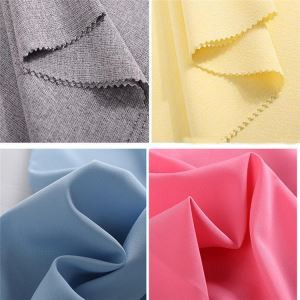
The base fabric is like the foundation of your beaded embroidery. You need to choose a fabric that can hold the weight of the beads and withstand the needlework. Fabrics like cotton, linen, and silk are popular choices.
Cotton is durable and easy to work with. It's also relatively inexpensive, which is great for large - scale projects. Linen has a more textured look and feels a bit sturdier. Silk, on the other hand, gives a luxurious finish but can be a bit more delicate.
Before you start embroidering, it's a good idea to pre - wash your fabric. This will prevent it from shrinking later on and make it easier to work with. You can also iron the fabric to make it smooth.
Preparing Your Workspace
A large - scale beaded embroidery project requires a lot of space. Set up a dedicated workspace where you can spread out your materials. You'll need a flat surface, like a table, to lay out your fabric. Make sure the area is well - lit so you can see the beads clearly.
Organize your beads in small containers or trays. Label them with the bead type and color. This will save you a lot of time when you're looking for a specific bead. You might also want to have a pair of tweezers handy to pick up small beads.
The Embroidery Process
Now, let's get into the actual embroidery process. Start by securing your fabric to a hoop or frame. This will keep it taut and make it easier to stitch. You can use a basic running stitch or a backstitch to attach the beads to the fabric.
When you're stitching, take your time. Large - scale beaded embroidery is a labor - intensive process, and rushing will only lead to mistakes. Work in small sections at a time. This will make the project feel more manageable.
As you're stitching, pay attention to the tension of your thread. If it's too loose, the beads might fall off. If it's too tight, it can distort the fabric. You might need to adjust the tension as you go along.
Adding Dimension and Texture
One of the great things about beaded embroidery is that you can add dimension and texture to your work. You can layer different types of beads to create a 3D effect. For example, you can use larger beads on top of smaller ones.


You can also add other elements, like sequins or embroidery floss, to enhance the texture. Sequins add a bit of shine and movement to your embroidery. Embroidery floss can be used to create borders or fill in areas between the beads.
Finishing Touches
Once you've finished stitching all the beads, it's time for the finishing touches. Trim any excess thread and make sure all the beads are secure. You can use a clear thread to reinforce any loose beads.
If you're making a tablecloth or a wall hanging, you might want to add a border. You can use a contrasting fabric or more beaded embroidery to create a frame around your work.
Examples of Our Products
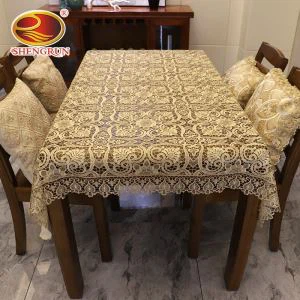
We offer a wide range of products that showcase the beauty of beaded embroidery. Check out our 3D Gold Lace Placemats Vintage Table Decor For Luxury Dining. These placemats are a perfect example of large - scale beaded embroidery. They add a touch of luxury to any dining table.
Our Luxury Gold Embroidered Lace Placemats - Eco - Friendly Vintage Dining Table Decor are another great option. They're not only beautiful but also eco - friendly.
And if you're looking for something smaller, our Embroidery Table Place Mat Coasters are a wonderful addition to your table setting.
Contact Us for Procurement
If you're interested in purchasing our products or working with us on a custom large - scale beaded embroidery project, don't hesitate to reach out. We're always happy to discuss your needs and provide you with the best solutions. Whether you're a retailer looking to stock our products or an individual with a unique embroidery idea, we're here to help.
References
- "The Complete Guide to Bead Embroidery" by Sherry Serafini
- "Beadwork: A Comprehensive Guide to Techniques" by Arlene Hoffman