Creating a twirl effect on canvas fabric can be a captivating and creative endeavor, whether you're an artist looking to add a unique touch to your paintings or a designer aiming to craft one-of-a-kind textiles. As a canvas fabric supplier, I've had the privilege of witnessing the diverse ways our customers utilize our products to bring their artistic visions to life. In this blog post, I'll guide you through the process of creating a twirl effect on canvas fabric, sharing tips and techniques along the way.


Understanding Canvas Fabric
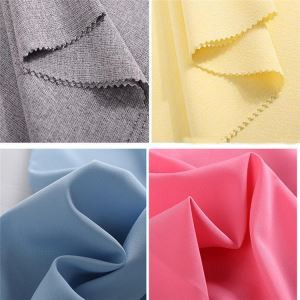
Before we delve into creating the twirl effect, it's essential to understand the characteristics of canvas fabric. Canvas is a durable, heavy-duty fabric typically made from cotton, linen, or a blend of both. It has a tight weave, which makes it ideal for painting, printing, and other creative applications. At our company, we offer a wide range of canvas fabrics, including Fireproof Dyed Fabric and Dyed Fabric for Workwear, each with its own unique properties and uses.
Materials You'll Need
To create a twirl effect on canvas fabric, you'll need the following materials:
- Canvas fabric: Choose a high-quality canvas fabric that suits your project. You can select from a variety of weights, textures, and colors.
- Paints: Acrylic paints are a popular choice for creating a twirl effect on canvas fabric. They dry quickly, are water-resistant, and come in a wide range of colors.
- Brushes: You'll need a variety of brushes, including small detail brushes and large flat brushes, to apply the paint to the canvas fabric.
- Palette: A palette is used to mix and blend the paints. You can use a traditional palette or a disposable palette made of plastic or paper.
- Water: You'll need water to clean your brushes and dilute the paints if necessary.
- Protective gear: Wear gloves and a mask to protect yourself from the paint fumes and chemicals.
Step-by-Step Guide
Now that you have all the necessary materials, let's get started on creating the twirl effect on your canvas fabric.
Step 1: Prepare the Canvas Fabric
- Clean the canvas fabric: Use a clean, dry cloth to remove any dust or debris from the canvas fabric.
- Stretch the canvas fabric: If you're using a loose canvas fabric, stretch it over a wooden frame and secure it with staples or tacks. This will prevent the fabric from wrinkling or sagging while you're painting.
- Prime the canvas fabric: Apply a thin layer of gesso to the canvas fabric using a large flat brush. Gesso is a primer that helps the paint adhere to the fabric and creates a smooth surface for painting. Allow the gesso to dry completely before proceeding to the next step.
Step 2: Choose Your Colors
- Select your base color: Choose a base color for your twirl effect. This can be a solid color or a combination of colors. You can use a single color or multiple colors to create a more complex twirl effect.
- Select your accent colors: Choose one or more accent colors to add contrast and depth to your twirl effect. You can use complementary colors or analogous colors to create a harmonious color scheme.
Step 3: Apply the Base Color
- Mix your paints: Pour a small amount of your base color onto your palette and mix it with a small amount of water to thin it out. The consistency of the paint should be similar to that of milk.
- Apply the base color: Use a large flat brush to apply the base color to the canvas fabric. Start at the center of the canvas and work your way outwards in a circular motion. Apply the paint evenly and smoothly, covering the entire surface of the canvas fabric. Allow the base color to dry completely before proceeding to the next step.
Step 4: Create the Twirl Effect
- Mix your accent colors: Pour a small amount of each of your accent colors onto your palette and mix them with a small amount of water to thin them out.
- Apply the accent colors: Use a small detail brush to apply the accent colors to the canvas fabric. Start at the center of the canvas and work your way outwards in a circular motion, creating a spiral pattern. Apply the paint in thin, even strokes, using a light touch. You can vary the pressure and direction of your strokes to create different effects.
- Blend the colors: Use a clean, dry brush to blend the colors together. Start at the edges of the spiral pattern and work your way towards the center, blending the colors together smoothly. You can use a light touch or a more aggressive touch to create different effects.
- Add more colors: If you want to add more colors to your twirl effect, repeat steps 3 and 4 using different colors. You can layer the colors on top of each other to create a more complex twirl effect.
Step 5: Let the Paint Dry
- Allow the paint to dry completely: Once you've finished creating the twirl effect, allow the paint to dry completely. This may take several hours or even days, depending on the thickness of the paint and the humidity in the air.
- Protect the paint: Once the paint is dry, you can protect it by applying a thin layer of varnish or sealant to the canvas fabric. This will help prevent the paint from fading or peeling over time.
Tips and Tricks
- Experiment with different colors and techniques: Don't be afraid to experiment with different colors and techniques to create a unique twirl effect on your canvas fabric. You can try using different brushes, applying the paint in different directions, or blending the colors in different ways.
- Use a reference image: If you're having trouble creating the twirl effect, you can use a reference image to guide you. You can find reference images online or in art books.
- Practice on a small piece of canvas fabric: Before you start working on a large piece of canvas fabric, practice creating the twirl effect on a small piece of fabric. This will help you get a feel for the technique and allow you to experiment with different colors and techniques without wasting a lot of fabric.
- Be patient: Creating a twirl effect on canvas fabric takes time and patience. Don't rush the process, and allow the paint to dry completely between each layer.
Conclusion
Creating a twirl effect on canvas fabric is a fun and creative way to add a unique touch to your paintings or textiles. By following the steps outlined in this blog post and using the tips and tricks provided, you can create a beautiful twirl effect on your canvas fabric that will impress your friends and family. If you're interested in purchasing high-quality canvas fabric for your next project, please don't hesitate to contact us. We offer a wide range of canvas fabrics, including Wholesale Cheap Price 65%polyester 35%cotton T/C 65/35 Shirt Fabric Woven, at competitive prices. We're always happy to help our customers find the perfect fabric for their needs, and we look forward to working with you on your next project.
References
- Smith, J. (2020). The Art of Painting on Canvas Fabric. New York: Artistic Press.
- Johnson, M. (2019). Canvas Fabric: A Comprehensive Guide. London: Textile Publishers.
- Brown, S. (2018). Creating Twirl Effects on Fabric. Sydney: Creative Arts Books.