Embroidery is an ancient and versatile art form that has evolved over centuries, offering a wide range of techniques to create stunning and intricate designs. As an embroidery supplier, I've had the privilege of witnessing the beauty that can be achieved when different embroidery techniques are combined in a single piece. In this blog post, I'll share some insights and tips on how to effectively blend various embroidery techniques to create unique and eye - catching works.
Understanding Different Embroidery Techniques
Before we delve into combining techniques, it's essential to have a solid understanding of the most common embroidery methods. Here are a few popular ones:
- Cross - Stitch: This is one of the most well - known embroidery techniques. It involves creating small X - shaped stitches on a fabric with an even weave, such as Aida cloth. Cross - stitch is great for creating geometric patterns, letters, and simple pictures.
- Satin Stitch: Satin stitch is used to fill in areas with smooth, solid color. It consists of closely spaced, parallel stitches that give a shiny, satin - like finish. This stitch is ideal for creating flower petals, leaves, or any area that needs a solid color fill.
- Chain Stitch: Chain stitch is a looped stitch that resembles a chain. It can be used for outlining shapes, creating borders, or adding details like vines or tendrils. It's a versatile stitch that can add a sense of movement to your embroidery.
- French Knot: French knots are small, rounded knots that can be used to create texture, such as the center of a flower or to add decorative elements. They are made by wrapping the thread around the needle and then pulling the needle through the fabric.
Planning Your Design
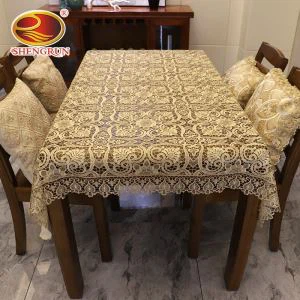
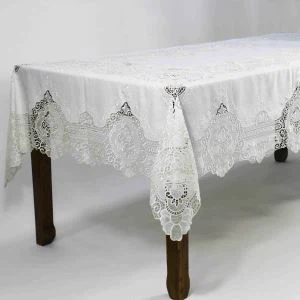
The first step in combining different embroidery techniques is to plan your design carefully. Start by sketching out your idea on paper. Consider the overall theme, color scheme, and the areas where different techniques will be used. For example, if you're creating a Tablecloth For Banquet, you might want to use cross - stitch for the border and satin stitch for the centerpiece.


Think about the flow of your design. You want the different techniques to complement each other and create a cohesive look. Avoid overcrowding the design with too many different techniques, as this can make the piece look chaotic. Instead, choose two or three techniques that work well together and use them strategically.
Choosing the Right Fabric
The fabric you choose plays a crucial role in the success of your combined embroidery. Different fabrics have different textures and weaves, which can affect how the stitches look and hold up. For example, a tightly woven fabric like linen is great for detailed work, while a looser - woven fabric like cotton can be more forgiving for beginners.
If you're using multiple techniques, make sure the fabric can handle all of them. For instance, if you're planning to use heavy stitches like satin stitch, a thicker fabric will be more suitable to prevent the fabric from puckering.
Combining Techniques Step - by - Step
Let's take a look at how you can combine different embroidery techniques in a step - by - step process.
- Start with the Base: Begin by using a simple technique to create the base of your design. This could be a cross - stitch background or a chain - stitch outline. The base will provide a foundation for the more detailed work to come.
- Add Details with Different Stitches: Once you have the base, start adding details using other techniques. For example, if you have a cross - stitch background, you can add satin - stitched flowers or French knots for added texture. Use the chain stitch to outline the flowers or create vines connecting them.
- Blend Colors and Textures: Pay attention to how the colors and textures of the different stitches interact. You can use complementary colors to make the design pop or similar colors for a more subtle look. The different textures of the stitches, such as the smoothness of the satin stitch and the bumpiness of the French knots, can also add visual interest.
Examples of Combined Embroidery
Let's explore some real - world examples of how different embroidery techniques can be combined.
- Handmade Vintage Floral Coasters - Cotton Drink Mats For Wood & Glass: These coasters are a perfect example of combining techniques. The background could be done in a simple cross - stitch pattern, providing a stable base. The flowers can be created using satin stitch for the petals and French knots for the centers. The leaves can be outlined with chain stitch and filled with satin stitch.
- Garment African Lace Wholesale Embroidery Lace Fabric New Design Embroided Lace Fabric: African lace often combines multiple embroidery techniques. The intricate patterns may include chain stitch for the outlines, satin stitch for the solid areas, and seed stitch for added texture. The combination of these techniques creates a rich and detailed fabric that is perfect for garments.
Troubleshooting
When combining embroidery techniques, you may encounter some challenges. Here are a few common issues and how to solve them:
- Puckering: If the fabric starts to pucker, it could be due to using too many heavy stitches on a thin fabric. Try using a thicker fabric or reducing the density of the stitches.
- Uneven Stitches: Uneven stitches can make the design look messy. Take your time and practice each stitch before adding it to your main piece. Use a hoop to keep the fabric taut, which will help you create more even stitches.
- Color Bleeding: If you're using multiple colors, there's a risk of color bleeding. Make sure to use high - quality threads and test the colors on a scrap piece of fabric first.
Conclusion
Combining different embroidery techniques in one piece is a rewarding and creative process. It allows you to showcase your skills and create unique, personalized designs. As an embroidery supplier, I'm always excited to see the amazing works that can be achieved through the combination of these techniques.
If you're interested in purchasing high - quality embroidery supplies for your next project, whether it's for a tablecloth, coasters, or garment lace, we're here to help. We offer a wide range of fabrics, threads, and tools to support your creative endeavors. Contact us to start a procurement discussion and bring your embroidery ideas to life.
References
- "The Complete Book of Embroidery Stitches" by Lesley Riley
- "Embroidery: A Beginner's Guide" by Jane Church