Blended yarns, which combine natural and synthetic fibers, have become increasingly popular in the textile industry due to their unique properties and versatility. As a leading blended yarn supplier, I have witnessed firsthand the remarkable synergy that occurs when these two types of fibers are combined. In this blog post, I will delve into the science behind the blend of natural and synthetic fibers in yarn, exploring how they work together to create high - quality products.
Understanding Natural and Synthetic Fibers
Before we discuss how the blend works, it is essential to understand the characteristics of natural and synthetic fibers. Natural fibers, such as cotton, wool, and silk, are derived from plants or animals. They are known for their breathability, comfort, and biodegradability. Cotton, for example, is soft, absorbent, and hypoallergenic, making it a popular choice for clothing next to the skin. Wool, on the other hand, is warm, resilient, and has natural moisture - wicking properties.
Synthetic fibers, like polyester, nylon, and acrylic, are man - made through chemical processes. These fibers offer several advantages, including durability, stretchability, and resistance to wrinkles and stains. Polyester is strong, quick - drying, and retains its shape well, while acrylic is lightweight, soft, and often used as a substitute for wool.
The Science of Blending
The process of blending natural and synthetic fibers in yarn is a carefully orchestrated one, aimed at combining the best properties of each fiber type. When the fibers are blended, they interact at a microscopic level. The natural fibers provide a soft and comfortable base, while the synthetic fibers add strength and durability.
One of the key mechanisms in blending is mechanical interlocking. During the spinning process, the natural and synthetic fibers are twisted together. The irregular shapes and surfaces of the natural fibers allow them to entangle with the more uniform synthetic fibers. This interlocking creates a strong bond between the two types of fibers, preventing them from separating during use.
Another important aspect is the distribution of fibers within the yarn. A well - blended yarn has a homogeneous distribution of natural and synthetic fibers. This ensures that the properties of both fiber types are evenly distributed throughout the yarn, resulting in a consistent performance. For example, if a blend is intended to be both absorbent and quick - drying, the natural fibers will absorb moisture, while the synthetic fibers will help to wick it away.
Advantages of Blended Yarns
Comfort and Durability
Blended yarns offer a unique combination of comfort and durability. The natural fibers provide a soft and breathable feel, making the fabric comfortable to wear. At the same time, the synthetic fibers enhance the yarn's strength and resistance to wear and tear. This means that clothing made from blended yarns can last longer while still providing a high level of comfort.
Versatility
Blended yarns are incredibly versatile. They can be used in a wide range of applications, from clothing and home textiles to industrial products. For instance, in the fashion industry, blended yarns can be used to create everything from casual wear to high - end designer garments. In home textiles, they can be used for bedding, curtains, and upholstery.
Cost - effectiveness
Using blended yarns can also be cost - effective. Natural fibers, especially high - quality ones like silk and cashmere, can be expensive. By blending them with more affordable synthetic fibers, manufacturers can reduce the cost of production without sacrificing too much in terms of quality.
Examples of Blended Yarns
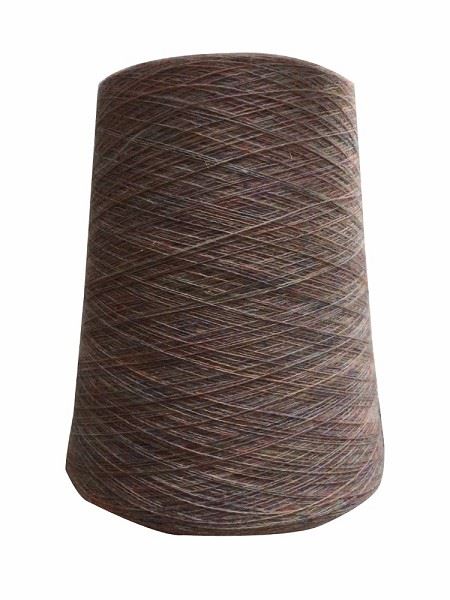
As a blended yarn supplier, we offer a variety of blended yarn products.
One of our popular products is the Soft Core Spun Yarn. This yarn combines the softness of natural fibers with the strength of synthetic fibers in the core. It is ideal for making baby clothes and other items that require a gentle touch.
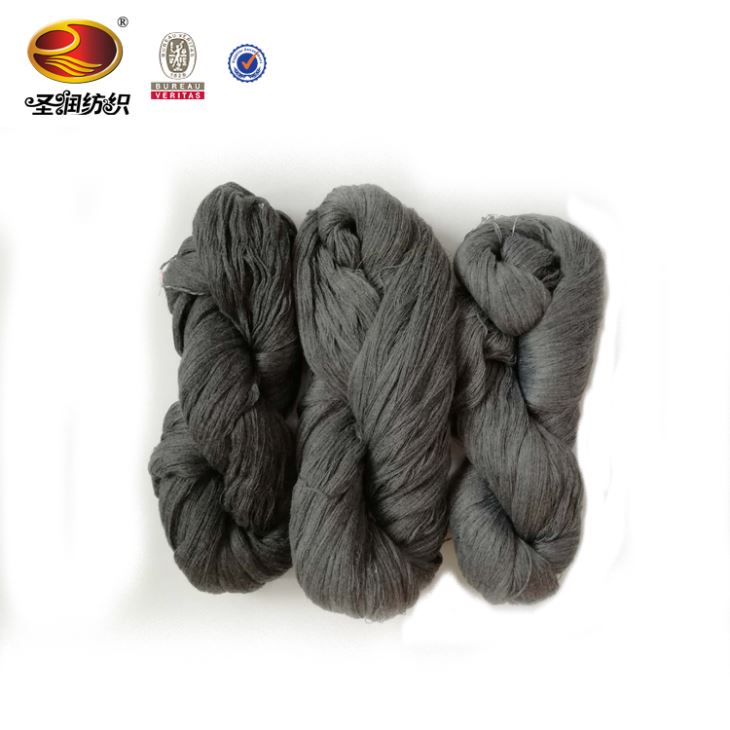
The Grey Melange Core Spun Yarn is another excellent option. It has a unique melange effect, which gives the fabric a stylish and modern look. The blend of natural and synthetic fibers ensures that the yarn is both durable and comfortable.
Our Ring Spun Polyester Acrylic Blended Yarn is a great choice for applications where both strength and softness are required. The ring - spinning process gives the yarn a smooth and even appearance, and the blend of polyester and acrylic provides excellent performance.
Factors Affecting the Blend
Several factors can affect the performance of a blended yarn. The ratio of natural to synthetic fibers is crucial. A higher proportion of natural fibers will result in a yarn with more of the natural fiber's properties, such as softness and breathability. Conversely, a higher proportion of synthetic fibers will enhance the yarn's durability and resistance to environmental factors.
The quality of the individual fibers also plays a significant role. High - quality natural and synthetic fibers will produce a better - performing blended yarn. Additionally, the spinning and finishing processes can impact the final properties of the yarn. For example, the twist level during spinning can affect the yarn's strength and appearance.
Applications in Different Industries
Fashion Industry
In the fashion industry, blended yarns are used to create a wide range of clothing items. They are particularly popular for sportswear, as the combination of natural and synthetic fibers provides both comfort and performance. For example, a blend of cotton and polyester can be used to make t - shirts that are absorbent, quick - drying, and resistant to wrinkles.
Home Textiles
Blended yarns are also widely used in home textiles. Bedding made from blended yarns can be both soft and durable. Curtains and upholstery can benefit from the stain - resistance and wrinkle - free properties of synthetic fibers, while the natural fibers add a touch of luxury and comfort.
Industrial Applications
In industrial applications, blended yarns are used for products such as filters, ropes, and conveyor belts. The strength and durability of synthetic fibers, combined with the flexibility of natural fibers, make them suitable for these demanding applications.
Conclusion
The blend of natural and synthetic fibers in yarn is a fascinating process that combines the best of both worlds. By understanding the science behind blending, we can create yarns that offer a unique combination of comfort, durability, and versatility. As a blended yarn supplier, we are committed to providing high - quality products that meet the diverse needs of our customers.
If you are interested in our blended yarn products or have any questions about how they can be used in your applications, we invite you to contact us for a procurement discussion. We look forward to working with you to find the perfect blended yarn solution for your needs.
References
- Textile Chemistry and Technology, Second Edition, by Harold K. Rouette
- Handbook of Fiber Science and Technology, Volume 1: Fundamentals, by Mark Lewin and Eli M. Pearce
- The Textile Institute: Principles of Textile Fibre Science, by N. J. Hudson