Canvas fabric has long been a staple in various industries, from art and fashion to industrial applications. As a canvas fabric supplier, I've often been asked whether canvas can handle complex graphics. In this blog post, I'll explore this question in depth, examining the properties of canvas fabric, the techniques used for applying graphics, and real - world examples of complex graphics on canvas.
Properties of Canvas Fabric
Canvas fabric is typically made from cotton, linen, or a blend of synthetic fibers such as polyester. Each material has its own unique properties that can affect how well it can handle complex graphics.
Cotton canvas is known for its breathability, softness, and absorbency. It has a natural texture that can add a rustic charm to graphics. However, it may shrink or wrinkle if not properly pre - treated. Linen canvas, on the other hand, is stronger and more durable than cotton. It has a smooth surface that can provide a good base for detailed graphics, but it is also more expensive.
Polyester - cotton blends offer a balance between the natural feel of cotton and the durability and wrinkle - resistance of polyester. These blends are often used in applications where the fabric needs to withstand frequent use, such as in car seat covers. For instance, our 14 OZ Polyester Cotton Canvas Fabric For Car Seat Covers is a great example of a blend that can handle both the wear and tear of daily use and potentially complex graphics for customization.
Techniques for Applying Graphics on Canvas
There are several techniques available for applying complex graphics on canvas fabric. Each technique has its own advantages and limitations, and the choice depends on the desired outcome, the type of canvas, and the budget.
Screen Printing
Screen printing is a popular method for applying graphics on canvas. It involves creating a stencil (or screen) for each color in the design. Ink is then forced through the screen onto the fabric using a squeegee. Screen printing can produce sharp, vibrant colors and is suitable for large - scale production. However, it may not be the best option for very detailed or photo - realistic graphics, as the number of colors is limited, and achieving fine details can be challenging.
Digital Printing
Digital printing has revolutionized the way we apply graphics on canvas. It allows for the direct transfer of digital images onto the fabric using inkjet printers. This technique offers high - resolution printing, enabling the reproduction of complex, photo - realistic graphics with a wide range of colors. Digital printing is also more flexible than screen printing, as it can handle small - batch production and custom designs. Our Waterproof Dyed Fabric can be an excellent choice for digital printing, as it provides a stable surface for the ink and has the added benefit of being waterproof.
Heat Transfer Printing
Heat transfer printing involves printing the graphic onto a special transfer paper and then transferring it onto the canvas using heat and pressure. This method is relatively easy and can produce high - quality results. It is suitable for small - scale production and can be used to create detailed graphics. However, the durability of the transferred image may be a concern, especially if the fabric is exposed to frequent washing or abrasion.


Real - World Examples of Complex Graphics on Canvas
Canvas fabric is used in a wide range of applications where complex graphics are required. Here are some examples:
Art and Photography
Canvas is a popular medium for artists and photographers. Many artists use canvas to create large - scale paintings and prints. The texture of the canvas can add depth and character to the artwork. Digital printing has made it possible to reproduce high - resolution photographs on canvas, creating a gallery - quality finish. For example, a landscape photographer may choose to print a detailed, multi - colored image of a mountain range on a cotton canvas to showcase the beauty of nature.
Fashion and Apparel
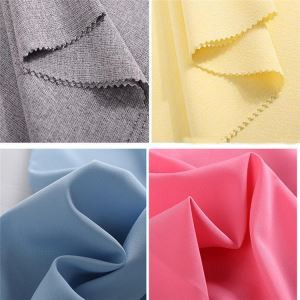
In the fashion industry, canvas is used to create unique and eye - catching designs. Designers often use screen printing or digital printing to apply complex patterns, logos, or illustrations on canvas clothing. For instance, a streetwear brand may print a detailed, multi - paneled graphic on a canvas jacket to make a bold fashion statement. Our T/C Grey Plain Fabric can be a great base for such fashion applications, providing a neutral background for the graphics.
Industrial and Commercial Applications
Canvas is also used in industrial and commercial applications, such as signage, banners, and vehicle wraps. These applications often require large - scale, high - visibility graphics. Digital printing is the preferred method for these projects, as it can produce large - format graphics with sharp details and vibrant colors. For example, a company may use a large canvas banner with a complex logo and promotional message to attract attention at a trade show.
Challenges and Considerations
While canvas fabric can handle complex graphics, there are some challenges and considerations to keep in mind.
Colorfastness
One of the main challenges is ensuring the colorfastness of the graphics. Over time, exposure to sunlight, washing, and abrasion can cause the colors to fade. To address this issue, it is important to choose high - quality inks and pre - treat the canvas properly. For example, using a UV - resistant coating can help protect the graphics from fading due to sunlight.
Durability
The durability of the graphics is also a concern, especially in applications where the fabric is subject to frequent use. The type of printing technique and the quality of the ink can affect the durability of the graphics. For instance, screen - printed graphics may be more durable than heat - transferred graphics, as the ink is more deeply embedded in the fabric.
Cost
The cost of applying complex graphics on canvas can vary depending on the technique used, the size of the graphic, and the quantity of fabric. Digital printing, for example, may be more expensive for small - batch production compared to screen printing. It is important to consider the budget when choosing a printing technique.
Conclusion
In conclusion, canvas fabric can indeed handle complex graphics. With the right choice of fabric, printing technique, and pre - treatment, it is possible to achieve high - quality, detailed graphics on canvas. Whether you are an artist, a fashion designer, or a business owner, canvas fabric offers a versatile and durable medium for your graphic needs.
As a canvas fabric supplier, we are committed to providing high - quality canvas fabrics that are suitable for a wide range of applications. If you are interested in using canvas fabric for your complex graphic projects, we would be happy to discuss your requirements and provide you with the best solutions. Please feel free to contact us to start a conversation about your procurement needs.
References
- "Textile Printing: Principles and Practice" by D. M. Lewis
- "The Art of Canvas Painting" by John Smith
- "Industrial Textiles: Applications and Innovations" by Peter Brown