Hey there! As a canvas fabric supplier, I often get asked some pretty interesting questions. One that popped up recently is, "Can canvas fabric be used in a Node.js project?" It might sound like an odd combo at first, but let's dig into this topic and see what we can find out.
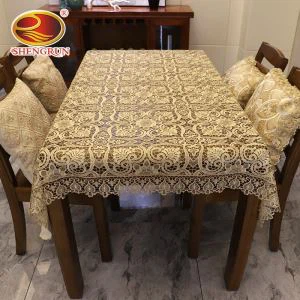
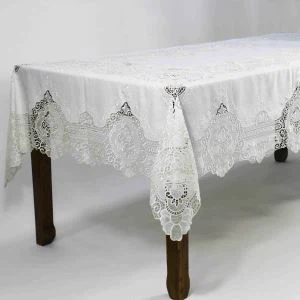
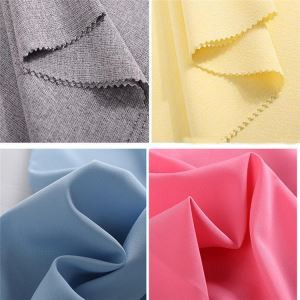
First off, let's talk a bit about canvas fabric. Canvas is a heavy-duty woven fabric known for its durability and versatility. We've got different types of canvas fabric in our inventory. For example, the 8 OZ 100% Cotton Canvas Fabric For Bags, Garment, Sofa Cover is a top - pick for many customers. It's made from 100% cotton, which means it's breathable and great for making all sorts of things like bags, garments, and even sofa covers. Then there's the Canvas Print Fabric Duck Fabric. This one is perfect for printing on, with a smooth surface that can hold detailed prints really well. And if you're into the classic look, our 100% Cotton Grey Twill Fabric is a great option. It has that nice twill weave that gives it a unique texture.
Now, let's switch gears to Node.js. Node.js is an open - source, cross - platform JavaScript runtime environment that allows developers to run JavaScript code outside of a web browser. It's super popular for building server - side applications, real - time web apps, and APIs. It's fast, efficient, and has a huge library of packages that developers can use to speed up their development process.
So, how on earth could canvas fabric fit into a Node.js project? Well, there are actually a few ways.
1. E - commerce and Inventory Management
If you're running an e - commerce store that sells canvas fabric (like my business), Node.js can be a great tool for managing your inventory. You can build a custom backend using Node.js to keep track of how much fabric you have in stock, which products are selling well, and when you need to restock. For example, you can set up a system that sends you an alert when the stock of a particular type of canvas fabric, say the 8 OZ 100% Cotton Canvas Fabric, drops below a certain level.
Here's a simple example of how you might start building an inventory management system in Node.js:
const express = require('express');
const app = express();
const inventory = {
    '8 OZ 100% Cotton Canvas Fabric': 50,
    'Canvas Print Fabric Duck Fabric': 30,
    '100% Cotton Grey Twill Fabric': 20
};

app.get('/inventory', (req, res) => {
    res.json(inventory);
});

app.listen(3000, () => {
    console.log('Server is running on port 3000');
});
This code sets up a basic Express.js server (Express is a popular web application framework for Node.js) that serves the current inventory as a JSON object when you make a GET request to the /inventory endpoint.
2. Image Processing for Product Listings
When you're selling canvas fabric online, good product images are crucial. Node.js can be used to handle image processing tasks. You can use packages like sharp to resize, crop, and optimize images of your canvas fabric products. This ensures that your product listings load quickly on your website, which is important for customer experience.
const sharp = require('sharp');

sharp('canvas_fabric_image.jpg')
   .resize(800, 600)
   .toFile('resized_canvas_fabric_image.jpg')
   .then(() => {
        console.log('Image resized successfully');
    })
   .catch((err) => {
        console.error('Error resizing image:', err);
    });
This code uses the sharp package to resize an image of canvas fabric to a width of 800 pixels and a height of 600 pixels.
3. Real - Time Chat and Customer Support
Node.js is great for building real - time applications. You can set up a real - time chat system on your canvas fabric e - commerce website using Node.js and a library like Socket.IO. This allows customers to ask questions about your canvas fabric products, like the Canvas Print Fabric Duck Fabric, in real - time. You can have your customer support team respond immediately, which can lead to better customer satisfaction and more sales.


const express = require('express');
const app = express();
const http = require('http').Server(app);
const io = require('socket.io')(http);

app.get('/', (req, res) => {
    res.sendFile(__dirname + '/index.html');
});

io.on('connection', (socket) => {
    console.log('A user connected');
    socket.on('disconnect', () => {
        console.log('A user disconnected');
    });
    socket.on('chat message', (msg) => {
        io.emit('chat message', msg);
    });
});

http.listen(3000, () => {
    console.log('listening on *:3000');
});
This code sets up a basic real - time chat system using Socket.IO. When a user connects, they can send and receive chat messages.
4. Analytics and Reporting
Node.js can also be used to collect and analyze data related to your canvas fabric business. You can use packages like analytics-node to track user behavior on your website, such as which products they view, how long they stay on the page, and which pages they visit before making a purchase. This data can help you make informed decisions about your product offerings, marketing strategies, and inventory management.
In conclusion, canvas fabric and Node.js can definitely work together. Whether it's for inventory management, image processing, real - time chat, or analytics, Node.js provides a powerful set of tools that can help canvas fabric suppliers like me run their businesses more efficiently.
If you're interested in our canvas fabric products or have any questions about how we can use technology to better serve you, don't hesitate to reach out. We're always open to discussing potential partnerships and ways to improve our services.
References
- Express.js Documentation
- Socket.IO Documentation
- Sharp Package Documentation
- Analytics - Node Package Documentation