Acrylic yarn has gained significant popularity in various textile applications due to its versatility, affordability, and durability. One question that often arises is whether acrylic yarn can be used for curtains. In this blog post, we'll explore the feasibility, advantages, and potential drawbacks of using acrylic yarn for curtains, especially from the perspective of an acrylic yarn supplier.
Feasibility of Using Acrylic Yarn for Curtains
Acrylic yarn can indeed be used for curtains. Its properties make it a viable option for curtain - making. Acrylic is a synthetic fiber that can mimic the look and feel of natural fibers like wool. It comes in a wide range of colors and textures, allowing for a high level of customization in curtain design.
When it comes to the practical aspects of curtain - making, acrylic yarn can be easily woven or knitted into different patterns. For instance, you can create a simple tab - top curtain by knitting or weaving a long panel of acrylic yarn and adding tabs at the top for hanging. You can also use more complex stitch patterns to create textured curtains that add an interesting visual element to a room.
Advantages of Using Acrylic Yarn for Curtains
1. Color Variety
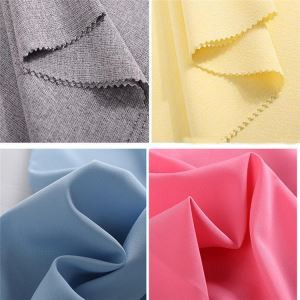
One of the most significant advantages of acrylic yarn is the vast color selection available. As a supplier, we offer products like Dyed On Cone 100% Hb Acrylic Yarn which comes in a plethora of vibrant and subdued colors. This allows you to match the curtains to any interior design scheme, whether it's a bold and modern look or a soft and traditional aesthetic.
2. Durability
Acrylic yarn is highly durable. It resists stretching, shrinking, and wrinkling better than many natural fibers. Curtains made from acrylic yarn will maintain their shape over time, even with regular use. They are also less likely to be damaged by pests such as moths, which can be a common problem with natural fiber curtains.
3. Affordability
Compared to natural fibers like silk or wool, acrylic yarn is much more affordable. This makes it an attractive option for those who want to create custom - made curtains without breaking the bank. Our 8S Acrylic Yarn Skeins For Hand Knitting provides an economical choice for DIY curtain projects, allowing you to get a high - quality look at a lower cost.
4. Easy Maintenance
Acrylic yarn is easy to clean. It can usually be machine - washed in cold water, which is a significant advantage for curtains that are likely to accumulate dust and dirt over time. Unlike some natural fibers, acrylic does not require special cleaning methods or dry - cleaning, saving you time and money on maintenance.
Potential Drawbacks of Using Acrylic Yarn for Curtains
1. Lack of Breathability
Acrylic is a synthetic fiber, and as such, it is less breathable than natural fibers like cotton or linen. This means that curtains made from acrylic yarn may not allow air to circulate as well, which could potentially lead to a stuffy feeling in the room. However, this can be mitigated by using lighter - weight acrylic yarns or by combining them with more breathable materials.
2. Static Electricity
Acrylic yarn can generate static electricity, especially in dry environments. This may cause the curtains to attract dust and lint more easily. To reduce static, you can use anti - static sprays or add a fabric softener during the washing process.
3. Lower Insulation
Compared to natural fibers like wool, acrylic yarn has lower insulation properties. While it can still provide some level of privacy and light control, it may not be the best choice for curtains in rooms where you need to keep the heat in or out, such as bedrooms or living rooms in extreme climates.
Design Considerations for Acrylic Yarn Curtains
When designing curtains with acrylic yarn, there are several factors to keep in mind. First, consider the weight of the yarn. Thicker yarns will create heavier, more substantial curtains, which may be better for blocking light and providing privacy. On the other hand, lighter - weight yarns are suitable for sheer or semi - sheer curtains that allow some light to filter through.
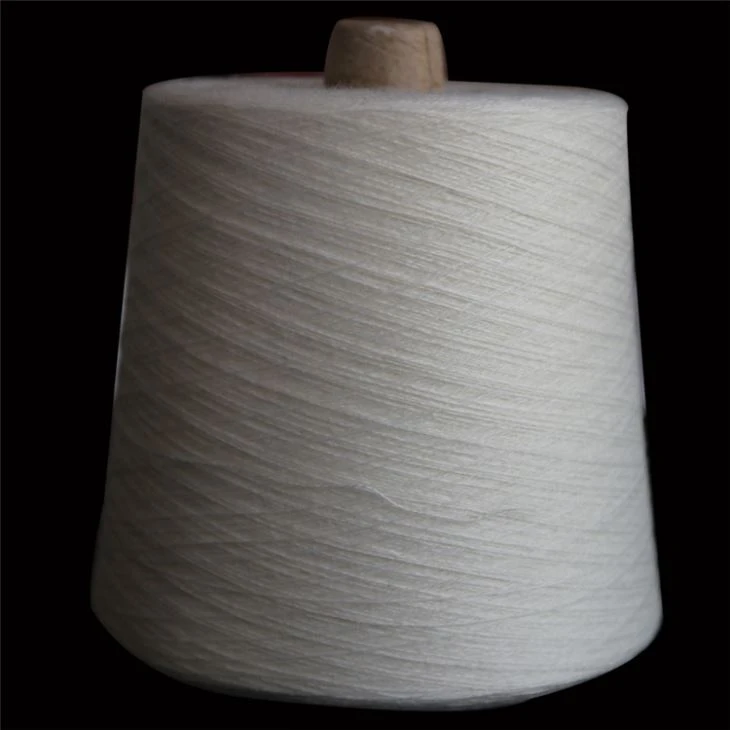

The stitch pattern you choose also plays a crucial role in the final look of the curtains. For a more formal look, you can use simple, clean stitch patterns. If you want a more bohemian or eclectic style, you can experiment with intricate lace or cable stitch patterns.
Another important consideration is the length of the curtains. Floor - length curtains are a classic choice that can make a room look more elegant and spacious. However, if you have a smaller room or want a more casual look, you can opt for shorter curtains that end at the windowsill.
Our Product Range for Curtain - Making
As an acrylic yarn supplier, we offer a wide range of products suitable for curtain - making. In addition to the Dyed On Cone 100% Hb Acrylic Yarn and 8S Acrylic Yarn Skeins For Hand Knitting mentioned earlier, our Solid Acrylic Yarn is also a great option. It has a smooth and consistent texture, which is ideal for creating a uniform look in your curtains.
Conclusion
In conclusion, acrylic yarn can be a great choice for curtains. It offers numerous advantages such as color variety, durability, affordability, and easy maintenance. While there are some potential drawbacks like lack of breathability and static electricity, these can be managed with proper care and design choices.
If you're interested in using our acrylic yarn for your curtain projects or have any questions about our products, we encourage you to reach out to us for a procurement discussion. We're here to help you find the perfect yarn for your needs and ensure that your curtain - making experience is a success.
References
- Textile Institute. "Properties of Synthetic Fibers." Journal of Textile Science, Vol. 25, Issue 3, 2018.
- Consumer Reports. "Textile Comparison: Natural vs. Synthetic Fibers." Consumer Reports Magazine, December 2020.